






Voice, for years, has been a difficult channel to automate. But not anymore.
Thanks to conversational AI, voice assistants of yesterday are way more intuitive and sophisticated today.
From handling big, meaningful complex tasks to small everyday stuff, like searching, scheduling, replying, following up, re-checking… and doing it all again tomorrow, AI voice assistants can handle them all at just the command of your voice.
You must have used or heard of hands-free voice assistants such as Siri, Alexa, Gemini, and more that help us with our work, saving not only our time but also conveniently managing our everyday tasks.
However, when we think about them, a lot of questions pop up in our head
- What are voice assistants?
- Which is the best AI assistant currently?
- What is the most used voice assistant?
- Is there an AI that you can talk to with voice?
- Which AI does Elon Musk use?
- What is the best AI for personal use?
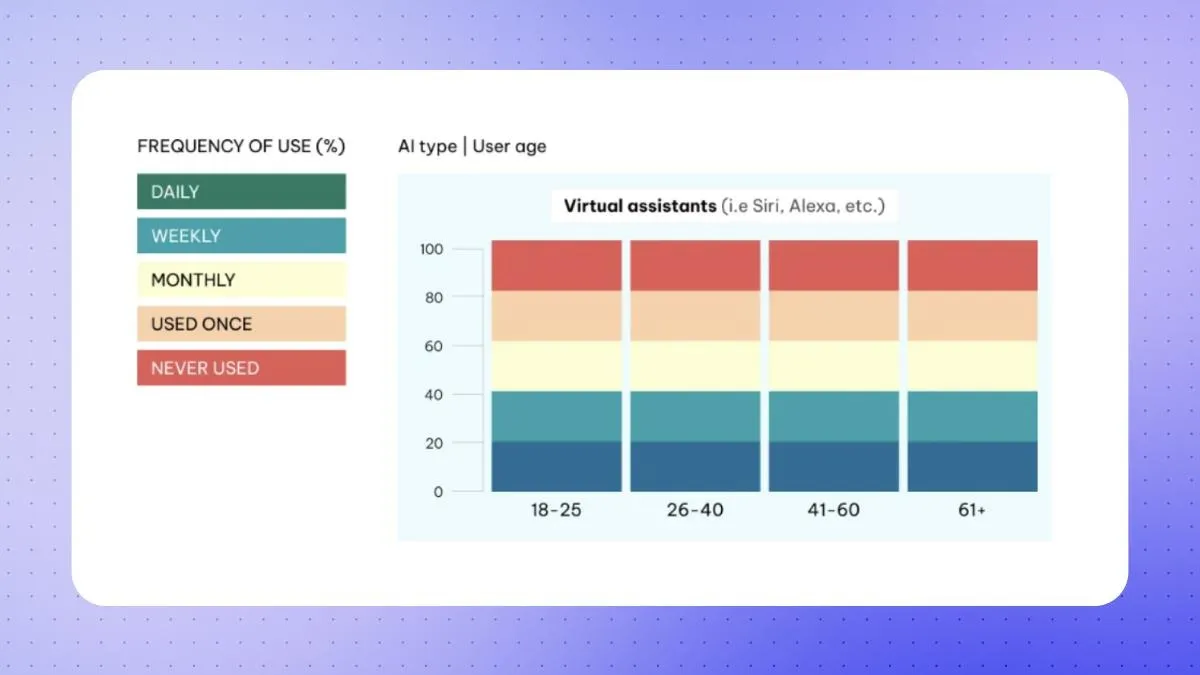
- Are we using them to their best capability?
Source: Mindinventory
This comprehensive guide is created to answer all these questions and more to help you choose the top AI voice assistant in 2026.
Let’s start with the basic one.
What is an AI voice assistant?
Source: Reddit
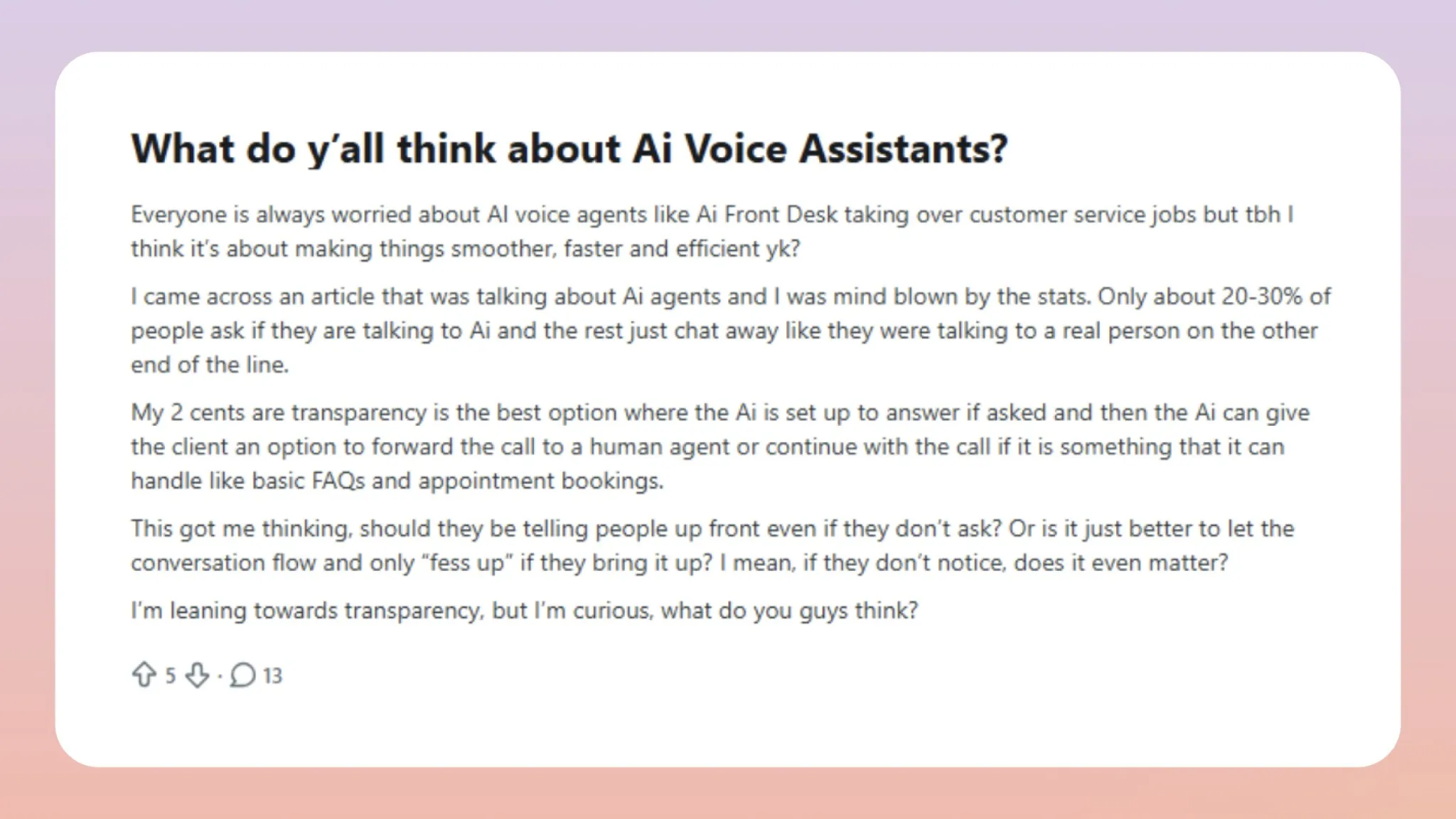
It is a program designed to work on your voice commands. A digital assistant that understands what you say and follows your command to the T. You don’t have to type or write anything, just speak the way you do and your 24x7x365 assistant will respond accordingly with an answer or an action.
You can ask it to schedule your appointment, set an alarm, remind you to take your medicines, fix a meeting with your developer, cancel a placed order, call your mother, play your favorite music, or tell you what’s going on in the world.
AI voice assistants are truly elevating the way we interact with hands-free technology.
We are talking about voice assistants in 2026 that some also call their second brain. Because, assistants in 2026 are way smarter than their predecessors as they are powered by:
- Large Language Models (LLM)
- Automatic Speech Recognition (ASR)
- Cross media input
Designed to work on our voice commands or conversations using Machine Learning (ML) and Natural Language Processing (NLP) that enable them to comprehend multiple languages, accents, and dialects, these AI-powered tools simplify tasks, provide personalized responses, and enhance productivity for busy professionals like yourselves.
And, with the integration of generative AI, voice assistants of today are even more intuitive, robust and capable of handling simple as well as complex tasks.
Designed to be continuous learners, AI-powered voice assistants learn more and more with every interaction they have with you, be it a command you give them or a conversation you have with them, making the results better informed and explicit.
What’s more is that they are available on multiple devices, accessible to me, you, and a wide range of users across all kinds of platforms and operating softwares.
Types of voice AI assistants
There are various types of AI assistants that come with their special features and capabilities. But broadly, we will divide them in two categories
- Personal assistant
- Business-focused AI agents
Personal assistants
Source: Reddit
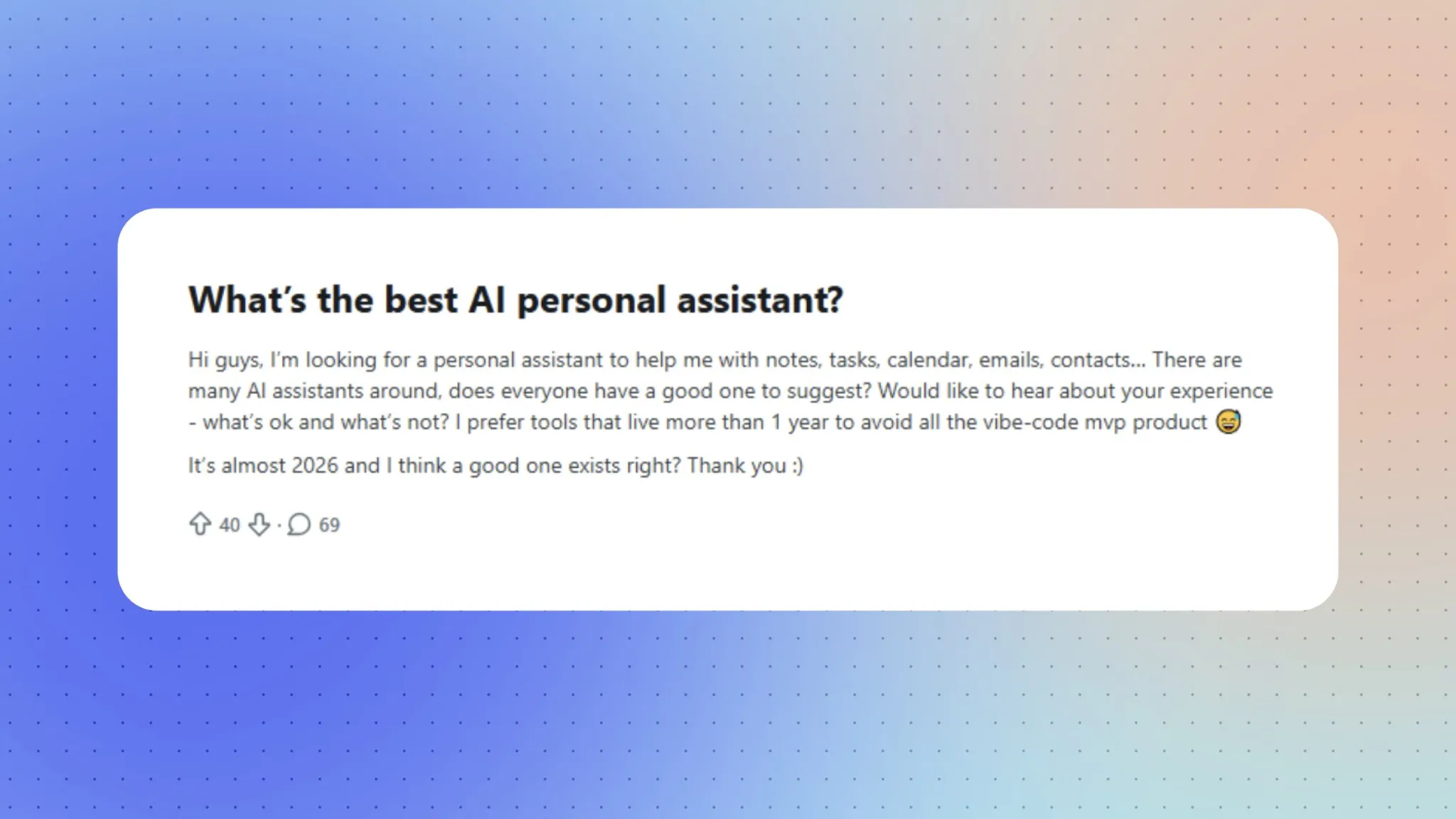
Personal assistants are the ones we already know and use.
Hey Siri, wake me up at 7.
Alexa, add avocado to my grocery list.
Gemini, what meetings are lined up for today?
Hey Google, send the email to HR.
Personal voice assistants are smart, focus on voice commands and natural language processing to provide hands-free control. Best at performing personal tasks such as scheduling, note-taking, running your smart home or office, pulling up any information you wish to know, playing music, reminding and notify you about your travel, health checkups, meetings and whatnot.
Though they can integrate with select third-party apps, software, and devices, personal voice assistants primarily operate within a pre-defined ecosystem.
Where can your personal AI assistant add value?
- Day-to-day planning
Plan your routine by managing your everyday schedule, set reminders, and give timely nudges for any aligned task for the day. You can also track expenses or receive alerts for financial actions.
- Growth companion
Get answers to any questions, practice a new language, listen to podcasts, get real-time world updates, learn new recipes, upgrade your skills, check-in for wellness and health.
- Control your smart home
Use voice commands to turn on/off electric appliances, control temperature, switch on music, security system, open/close shutters or doors.
Business-focused AI agents
Designed to automate workflows, provide customer support, and offer personalized responses, AI agents are built as plug and play that can connect to specific software to assist you in your day-to-day operations.
They can search from your company’s knowledge base, pick specific data from your team's conversational tools, find answers, take actions, and even automate tasks.
Think of it as a member of your team.
Where can your business AI agent add value?
- Assistant for C-suite executives
Manage calendars, trigger follow ups, prep briefs, share real-time updates, track progress across departments, capture decisions to orchestrate actions, encourage wellbeing and breaks.
- OKR and performance tracker
Map updates to right objectives and key results, log progress verbally in real-time, monitor risks and highlight dependencies, turn OKR from periodic review to continuous performance system.
- Customer experience orchestration
Capture conversations across all platforms, detect customer sentiment, identify churn risk or upsell opportunity, trigger workflows, timely pass on critical support tickets to teams.
Now that you know how a voice AI assistant can ease and automate your work while saving you time, that too just by talking to it, let us now focus on the very thing that brought you here in the first place.
To know our picks for the 10 best AI voice assistants that work well for personal as well as business purposes. And how did we pick them?
By creating a checklist that includes questions such as
- Does it make my work easier? Understand my business, can learn from my company’s data, automate things…
- Does it seamlessly integrate with my help desk, knowledge base, chat tool
- Is it easy to set up, safe, and secure?
And reviewing each one on the basis of (not necessarily in this order)
- Voice capture and conversation - It allows you to have a natural conversation with technology. The system not only hears your words but also captures your context.
- Data and information accuracy - Accuracy is the foundation of long-term usage. The system ensures the data and information is clean and comes from credible sources.
- Automation and workflows - Automate repetitive tasks and create workflows with minimal user intervention.
- Planning and assistance - Anticipates user requirements rather than react and support planning by understanding user schedules and timelines.
- Integration ecosystem - Integrates seamlessly with the tools a user relies on to translate commands into action across the ecosystem.
- Privacy and security - Strong encryption, access control, and compliance. A user must feel completely confident and in control to share data.
- Multilingual support - Languages, accents, dialects, accessibility, cultural contexts, there are a lot of things that come into play here.
- Personalization & ease of use - The assistant must effortlessly adapt to the user to become a natural extension of how they work.
However, before we reveal the names of the 10 best AI voice assistants in 2026, we wish to give you some more information about AI assistants.
What features to look at when evaluating AI assistants?
When evaluating AI voice assistants, it’s essential to consider factors such as natural language understanding, voice commands, and seamless integration with other tools and devices. Don’t forget to look at the learning curve, data security, and control over sensitive data.
Additionally, evaluate the AI assistant’s ability to perform complex tasks, provide personalized responses, and automate workflows. It’s also crucial to consider the cost, including any extra charges, and the availability of a free tier or pro plan.
Key benefits of using an AI voice assistant
Loaded with a wide range of features, AI voice assistants offer numerous key benefits including increased productivity, enhanced customer support, and improved data security.
- They can perform tasks such as setting reminders, sending messages, and making calls, all with just voice commands.
- Some voice assistants offer advanced features like lead qualification, data security, and control over home devices.
- Additionally, voice assistants can be used to access information, find answers, and create content using natural language processing.
- They can automate workflows, provide personalized responses, and help users focus on complex tasks.
- AI voice assistants can also be used for order tracking, knowledge base search, and compliance check making them a game changer for busy professionals.
- Furthermore, AI voice assistants can be integrated with multiple tools to provide a comprehensive solution for users.
The 10 best AI voice assistants in 2026
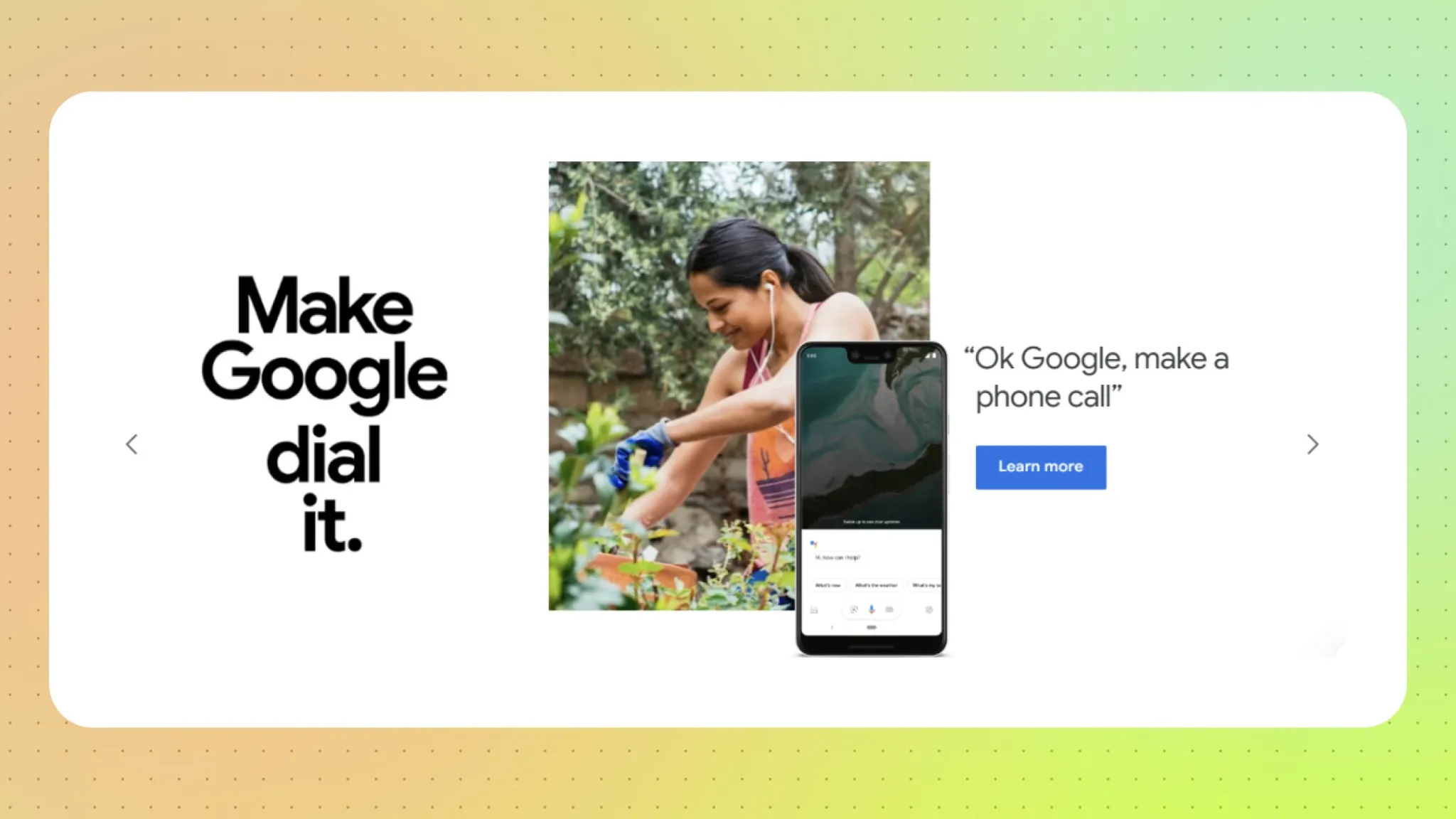
One of the most popular personal assistants across the world, Google Assistant is versatile, fast, and compatible with a wide range of Android devices, and syncs seamlessly in the Google environment.
It can assist you control your smart spaces, pull up any web-based information, help you learn about any topic in the world that interests you (it’s Google, it knows everything ;), play music, videos, movies for you, read audio books, set reminders, manage your schedule, and that’s not it, it supports multiple global and local languages. Just start the conversation on your device with ‘Hey Google’.
Free for Android users and available on the App Store for iPhone users.
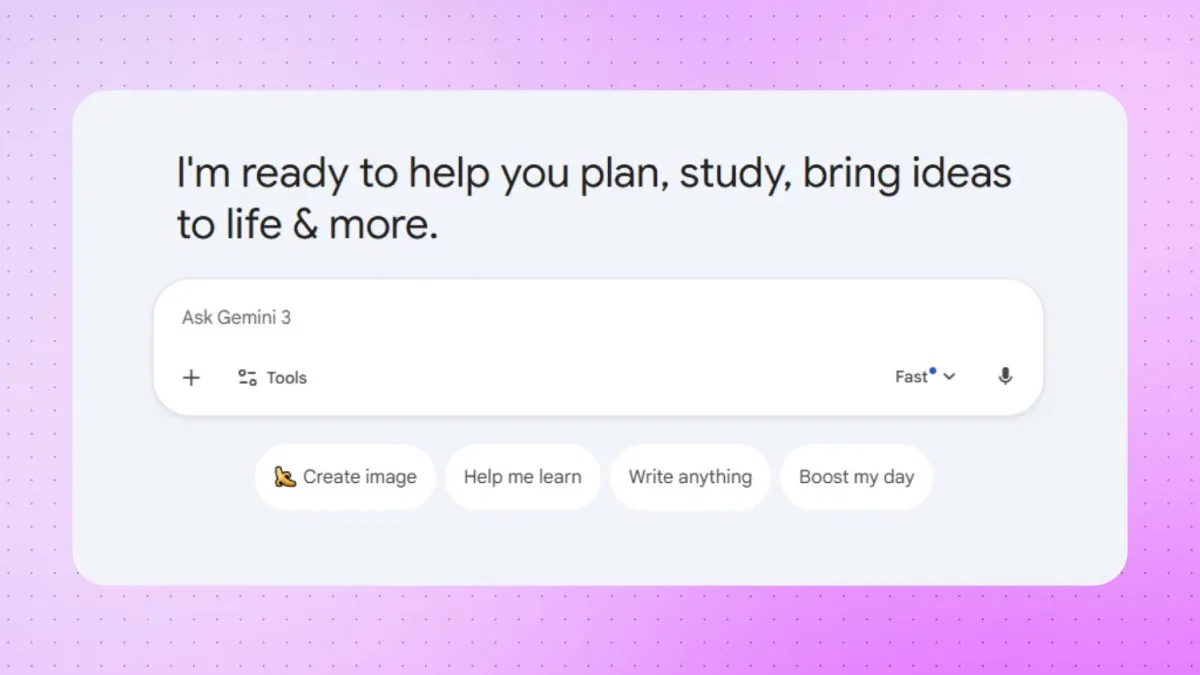
The latest and the most advanced AI assistant from Google, Gemini is an intelligence-first multi modal personal assistant. Integrated across the entire Google ecosystem, you can have a back and forth conversation with it.
Besides doing the basics of scheduling, managing, and learning, you can use it for deep research, creative endeavours, and even building functional apps.
As of 2026, Gemini has evolved into its third generation. The pricing is structured across personal, business, and developer tiers.
Gemini: Free
Google AI Pro: $19.99 monthly
Google AI Ultra: $249.99 monthly
One of the first voice assistants, that too exclusively for the iOS platform, Siri is your go-to assistant if you work and play in an Apple ecosystem.
Ask Siri to track your health metrics, open any app on your device, manage your smart spaces, help you with navigation, manage everyday tasks, set reminders, get quick answers, seamlessly integrate with all your Apple devices to be your personal hands-free assistant.
If privacy is your one big concern, consider Siri as Apple doesn’t monetize personal data. Also, Siri comes free with all Apple devices.
One of the most versatile voice AI assistants, Alexa keeps evolving with every interaction.
You can setup a voice profile so it understands only your commands, integrate with other platforms, tools, and devices so it can manage your smart space, shop on Amazon with it, ask it to play music from Amazon Music or Spotify, give you fun facts, guide you through a breathing exercise, remind you to drink water or take breaks between chores.
You need an Amazon Echo device for Alexa. A single speaker can cost you $30 and an Amazon account. Alexa+ costs $19.99 monthly for non-prime members and free for members.
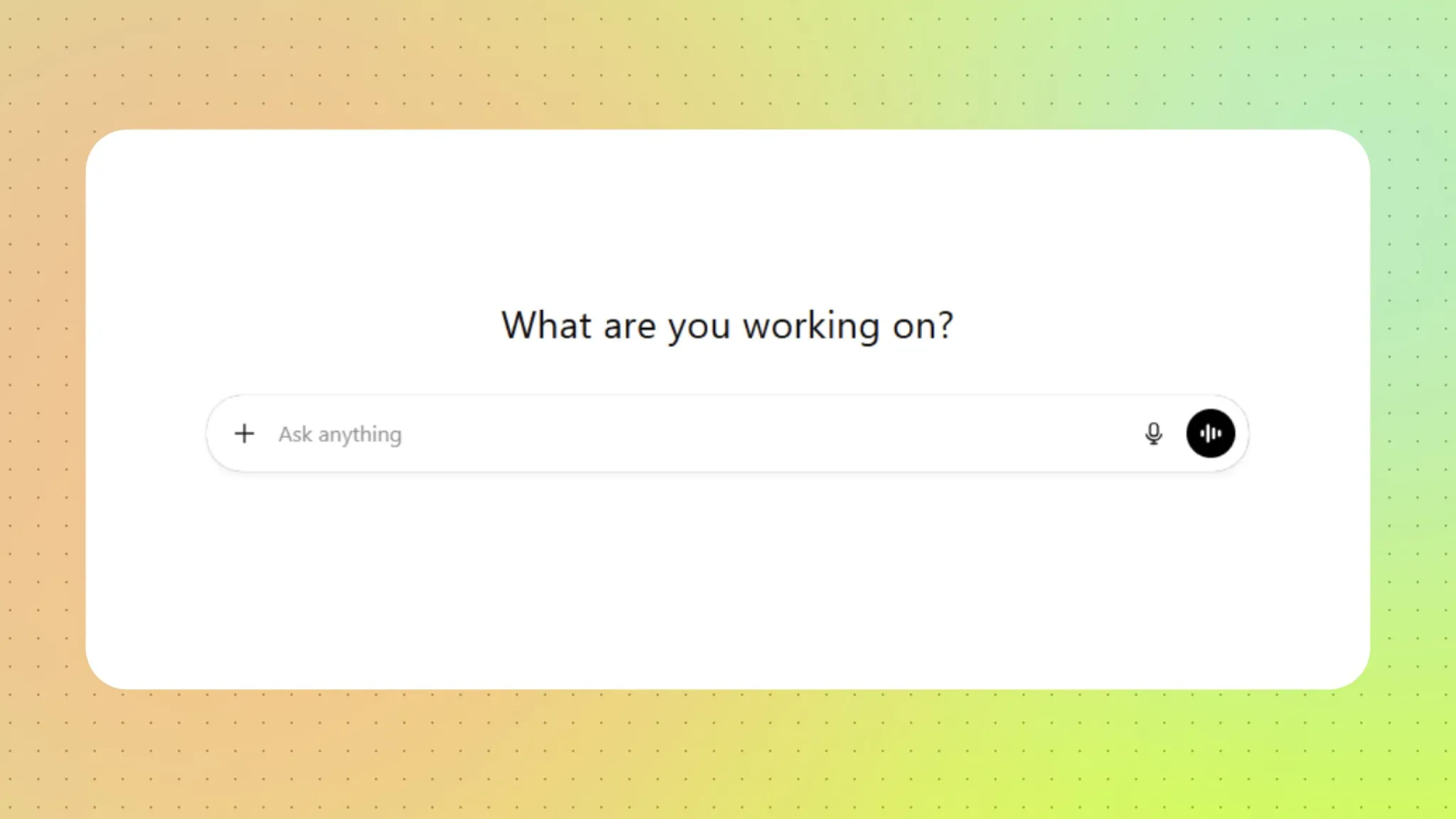
The Voice Mode of ChatGPT can be your voice AI assistant. However, unlike other traditional voice assistants, this one is an intelligence-led conversational-first multimodal AI assistant with voice capabilities.
Use it for research, brainstorming, discussions, learning, creating content, thinking aloud as it captures what you say on-the-go. It is more for knowledge work than task execution.
You can use the free version with basic limits, for ChatGPT Go pay $8 per month and $20 monthly for ChatGPT Plus.
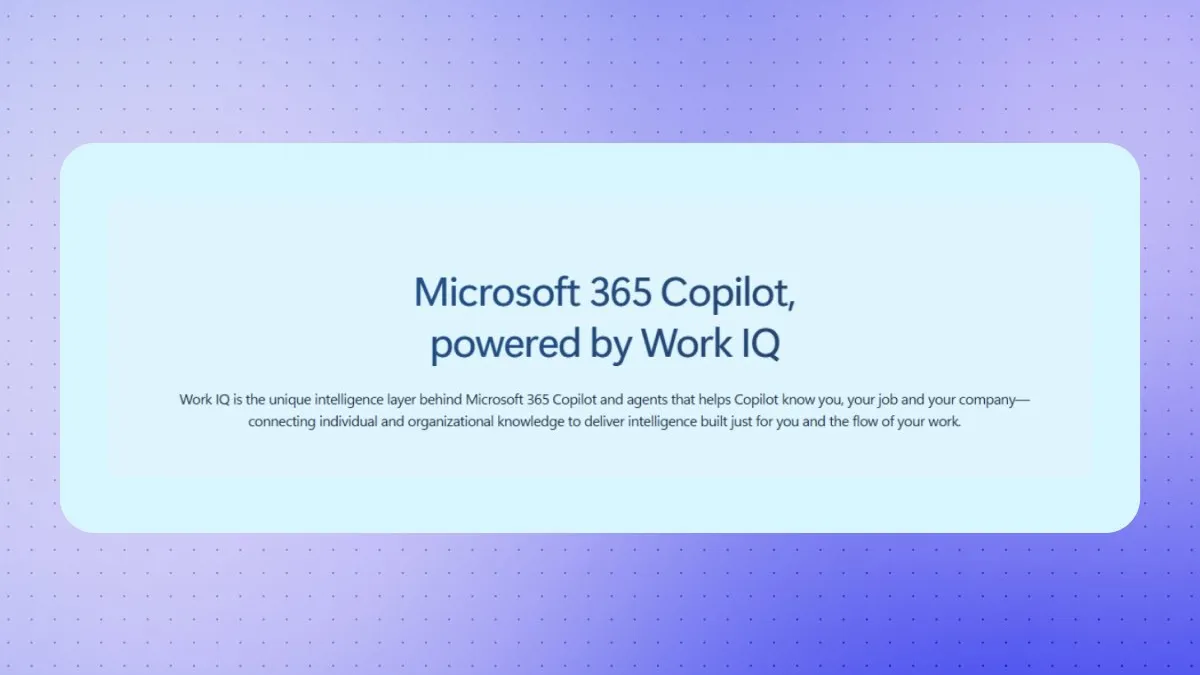
Copilot can be best described as a voice-enabled productivity assistant. It works extremely well if you are integrated in the Microsoft environment across products.
Unlike traditional AI voice assistants that are designed to assist you with simple tasks, Copilot’s voice capability is designed for workplace intelligence. It can be deeply integrated with enterprise data and workflows making it a business voice assistant.
You can get the Copilot Chat at no additional cost with an eligible Microsoft 365 subscription. However, for the Microsoft 365 business standard you will have to shell out $33.50 monthly.
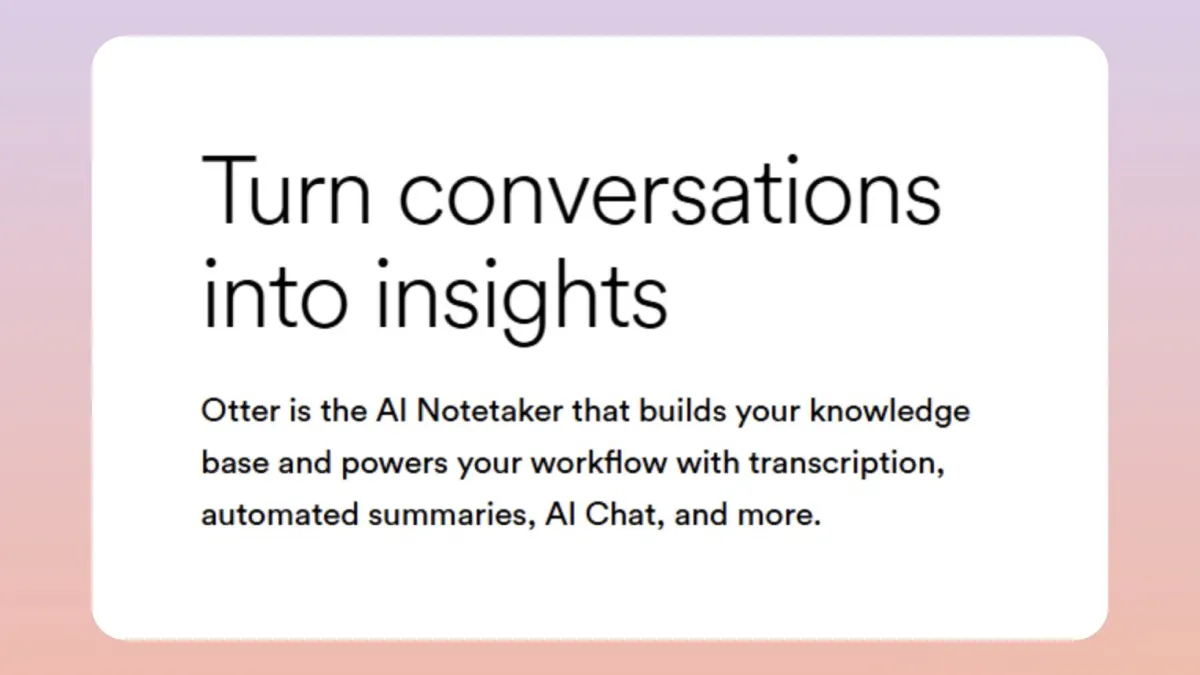
Take Otter to your business meetings to listen, track, and follow up. It has the capability to capture whatever any speaker is saying and turn it into text in real time. You can generate a summary of any meeting, produce actionable items, save the file in different formats and forward it on other tools. It finds and gives you the important information from the transcript helping your team work more faster and efficiently.
It works fabulously for individuals and teams who are a part of frequent meetings as it automatically joins Zoom, Google Meet, or Microsoft Teams.
The free version lets you transcribe for 300 monthly minutes. The Pro version comes at $8.33 per month per user with 1200 in-app recording minutes. The Business version will cost you $19.99 per user per month and then there is the Enterprise version for large teams and companies.
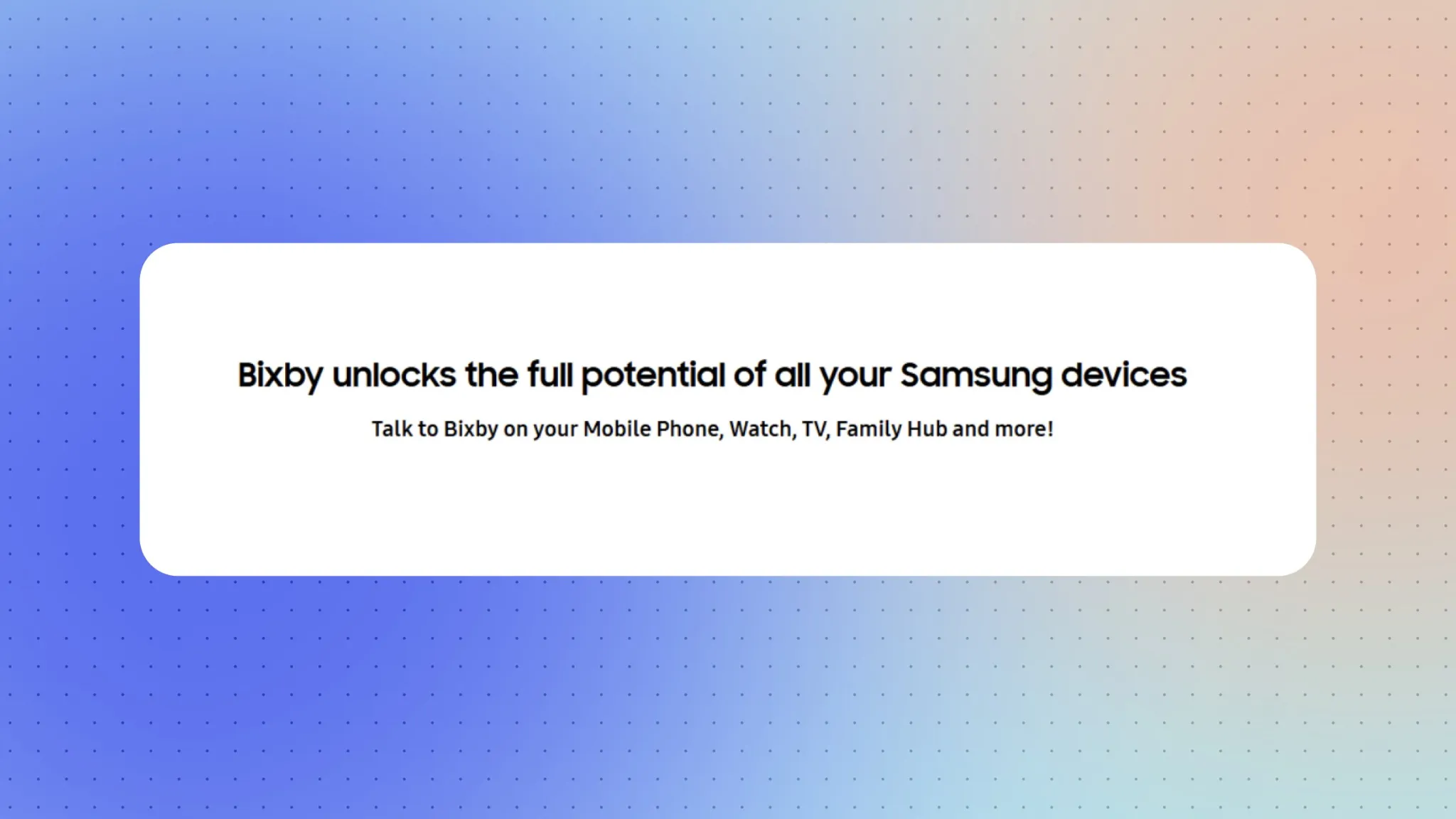
Samsung’s built-in virtual assistant uses vision and context to learn about your habits and adjust to your preferences.
Just press the Bixby or side key and say ‘Hey Bixby’ and your hands-free assistant is activated to do as you command. Ask it to send a message or call or set reminders or get answers to any question you have. You can customize multiple actions using a single phrase. And since it is integrated in your Samsung’s software, Bixby can even handle system tasks.
This voice assistant comes at no cost for Samsung users.
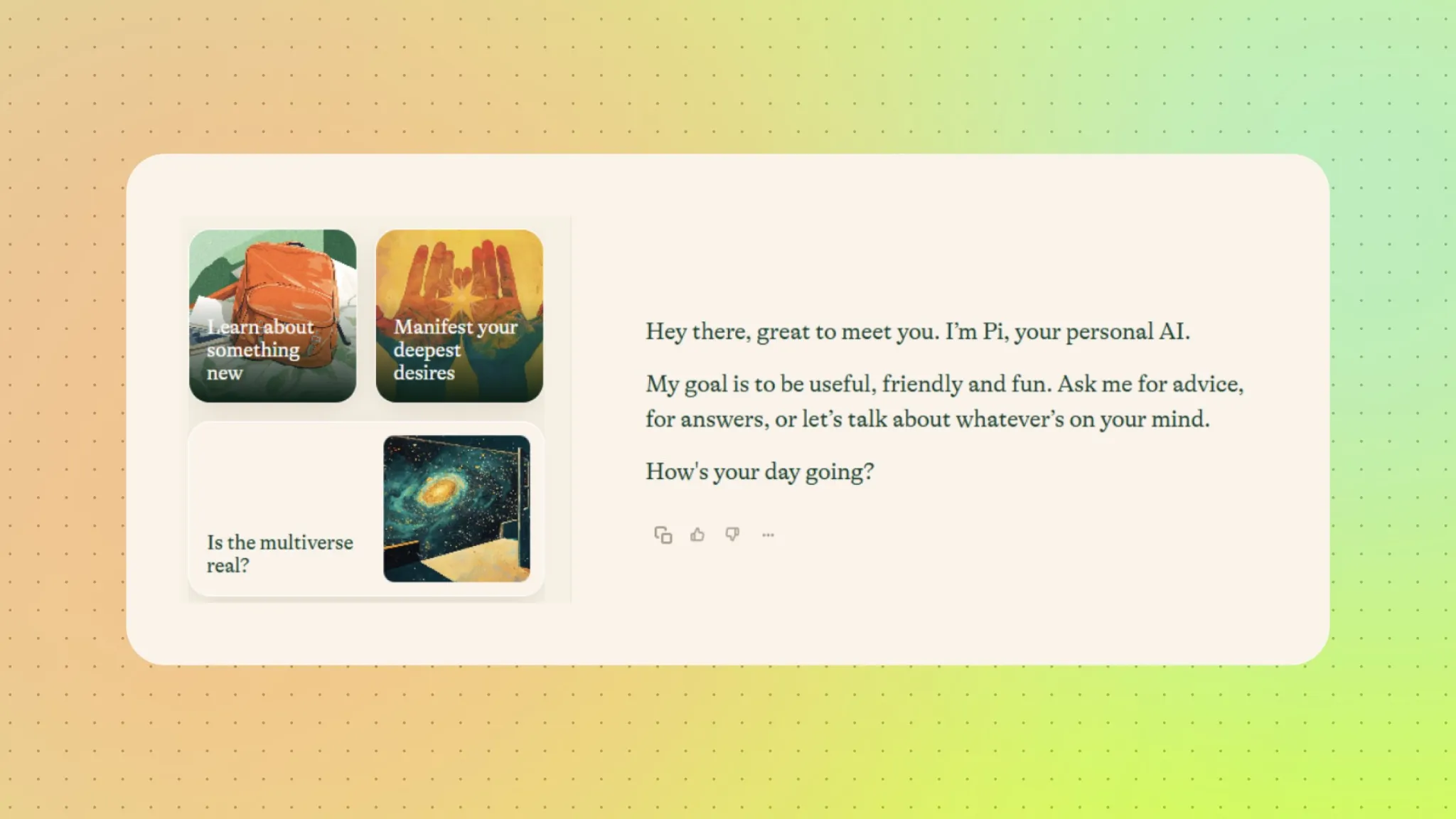
Pi is the short form of Personal Intelligence. Designed to engage in thoughtful conversations, Pi is more of a personal AI companion. The conversational and voice capabilities of Pi makes it uniquely different from the typical voice assistants Siri or Alexa.
It supports two-way voice interaction, prioritizes engaging dialogues, and can be used for brainstorming, learning, or emotional support.
Available across web, iOS, and Android, Pi is free to use.
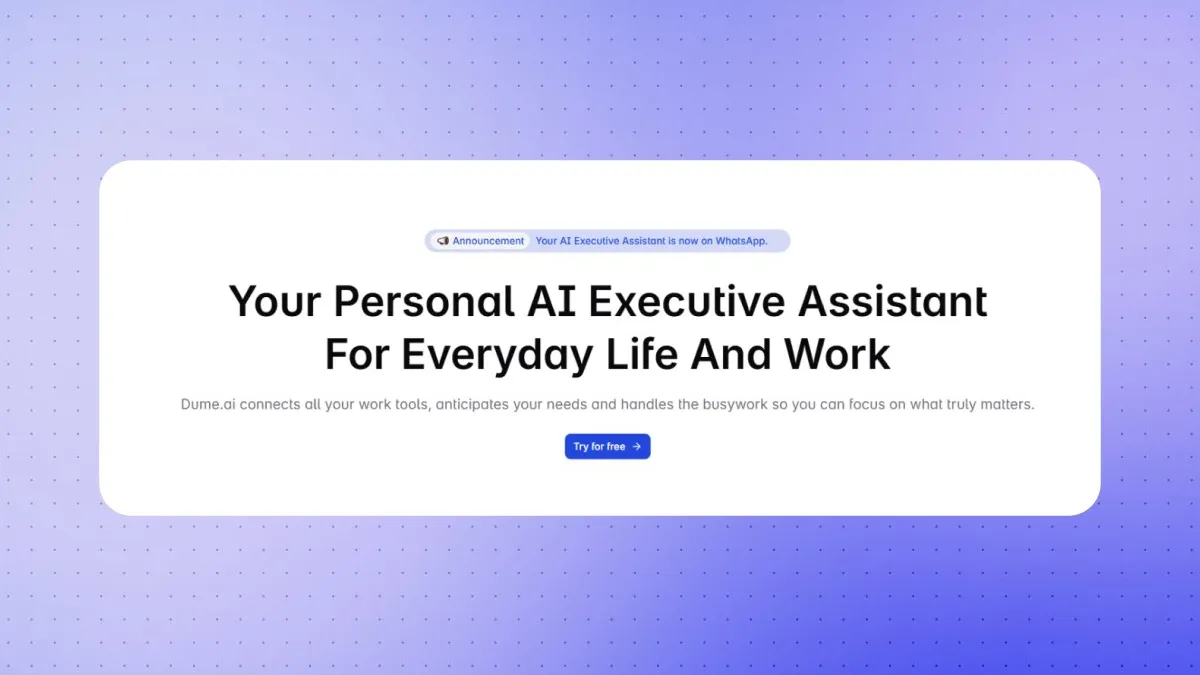
Dume calls itself your personal executive assistant as it is built to think, act, and adopt inside your tools. It can connect all your work tools and help you automate your work through natural conversations. You don’t need any code to create custom workflows.
It can pull and act on information from any app, take actions across tools, update tasks across systems without switching tabs and all in one conversation.
You can start with it for free and upgrade to Pro at $18 monthly.
Choose the right AI voice assistant
The future of AI assistants lies in their practical use of assisting users in an effortless way with potential applications across multiple areas of work and life.
There are some great options available to choose from, and to narrow your search, we have listed the ten best voice AI Assistants. However, the real value comes from choosing the right AI voice assistant for you depending on your individual needs and preferences, including the type of device used, internet connection, and message history.
Personal use - Prioritizes ease of use for daily tasks - Siri, Alexa, Google Assistant
Business use - Deep integrations, workflow automation, security - Microsoft Copilot, Otter, Dume
Hybrid use - Balance personal use with enterprise-grade control - ChatGPT Voice, Gemini
The best voice assistant for you isn’t the one that looks best on paper, but the one that fits seamlessly into your day-to-day operations. Get started with the best AI voice assistant today.
