




Understanding knowledge sprawl: Challenges and solutions
What is knowledge sprawl?
Knowledge sprawl is the uncontrolled proliferation of information across multiple systems, platforms, and applications within an organization. As businesses accumulate vast amounts of data, they face mounting challenges in managing, organizing, and retrieving relevant information efficiently.
This phenomenon occurs when data becomes scattered across various repositories, making it difficult to locate, manage, and leverage effectively. Unlike simple data accumulation, knowledge sprawl encompasses not just raw data but also processed information, insights, and institutional knowledge that form the backbone of organizational intelligence. Global data creation exploded from 9 zettabytes in 2013 to 120 zettabytes in 2023, representing more than a thirteenfold increase in just one decade. The volume of data companies need to manage is expected to more than double every two years.
Organizations struggle to maintain visibility over their expanding information landscape as data accumulates in disconnected silos. Each department might use different tools, store data in different formats, and follow different protocols—creating a labyrinth of information that's increasingly difficult to navigate. The average organization has 802,000 data files at risk due to oversharing and maintains over 251 different types of business-critical categories hidden within its unstructured data, while managing an average of 70-100 digital tools across operations. This fragmentation leads to duplicated efforts, lost productivity, and increased security risks that can significantly impact business operations.
Knowledge sprawl differs from data sprawl by encompassing the full spectrum of organizational intelligence. While data sprawl focuses on the volume of raw information, knowledge sprawl includes the context, relationships, and insights that make information actionable. It represents a fundamental challenge in the modern workplace where information is both an asset and a burden.
The impact of SaaS sprawl on organizational knowledge
The prevalence of shadow IT further intensifies the issue. Approximately 65% of SaaS applications used within organizations are unsanctioned and operate without IT department approval. Shadow SaaS usage is at least 10 times greater than what IT organizations have estimated. Teams frequently resort to unauthorized tools to fulfill immediate needs, circumventing IT governance and creating additional pockets of fragmented information. This practice disrupts standardization and complicates compliance efforts. Data becomes locked within application-specific frameworks, impeding cross-platform collaboration and seamless data exchange.
Each application functions as a distinct repository for essential business data, often disconnected from other systems. Employees spend substantial time navigating between these platforms to access the information they require, which detracts from time spent on strategic, high-value activities. In fact, employees spend an average of 1.8 hours every day searching and gathering information, representing 9.3 hours per week of potentially productive time, which means organizations effectively hire five employees but only receive the productive output equivalent to four. This scattered data environment not only drains productivity but also places an increased cognitive burden on employees.
The prevalence of shadow IT further intensifies the issue. Teams frequently resort to unauthorized tools to fulfill immediate needs, circumventing IT governance and creating additional pockets of fragmented information. This practice disrupts standardization and complicates compliance efforts. Data becomes locked within application-specific frameworks, impeding cross-platform collaboration and seamless data exchange.
Integration—or the lack thereof—stands out as a critical concern in managing SaaS sprawl. Without effective connectivity between tools, organizations confront redundant data entry and information discrepancies, which compromise data accuracy and reliability. This fragmentation results in a disjointed information landscape where knowledge dissipates when employees exit, along with their understanding of where and how information is stored. As organizations seek to navigate these challenges, they must prioritize strategies that unify their information ecosystem, ensuring knowledge remains accessible and actionable across the enterprise.
How knowledge sprawl affects productivity
Knowledge sprawl undermines productivity by dispersing critical information across numerous platforms, making retrieval cumbersome and inefficient. Employees often navigate a maze of applications, each containing fragments of the data needed for their tasks. This fragmented environment necessitates frequent shifts in focus, which interrupts workflow and escalates mental fatigue. This cognitive strain can lead to decreased concentration and reduced work output.
In a landscape where digital threats are ever-evolving, the unmanaged sprawl of knowledge introduces significant new vulnerabilities for organizations. As data proliferates unchecked across various platforms, businesses face the challenge of safeguarding sensitive information amidst an expanded digital footprint. This dispersion complicates the task of ensuring robust protection, as disparate systems lack unified security measures, creating opportunities for potential breaches. These risks carry tangible costs: the average cost of a data breach reached $4.88 million globally and $10.22 million in the United States in 2024–2025, and approximately 35% of data breaches involve shadow data stored outside of centralized security frameworks.
Collaboration barriers also emerge as team members struggle to access shared knowledge seamlessly, impeding the fluid exchange of ideas and collaboration. New employees face prolonged adjustment periods, as they must sift through an intricate web of information to become effective contributors. This extended onboarding process affects their ability to integrate swiftly into the team. Furthermore, the inability to harness past innovations and insights can stymie progress and adaptation in a dynamic business environment.
Security and compliance risks of unmanaged knowledge
In a landscape where digital threats are ever-evolving, the unmanaged sprawl of knowledge introduces significant new vulnerabilities for organizations. As data proliferates unchecked across various platforms, businesses face the challenge of safeguarding sensitive information amidst an expanded digital footprint. This dispersion complicates the task of ensuring robust protection, as disparate systems lack unified security measures, creating opportunities for potential breaches.
Creating a cohesive knowledge management framework is essential for successful consolidation. This framework should include explicit guidelines for how information is collected, categorized, and utilized throughout the organization. Establishing a centralized repository for critical business data ensures reliability and facilitates informed decision-making. For a company of 150 employees earning $60,000 average salary, information search time represents $1.5 million in annual compensation paid for non-productive work. Effective knowledge management systems typically pay for themselves within months rather than years. By consolidating data management efforts, organizations can minimize the risks of redundancy and misinformation, promoting a culture of trust and value around organizational knowledge.
Fragmented information trails further exacerbate these challenges. Disjointed records and dispersed data make it difficult to construct coherent audit trails, complicating efforts to demonstrate compliance during inspections. Employees, often acting without full awareness, may inadvertently expose sensitive data through unsecured means, heightening the potential for unauthorized access. This situation increases the legal and financial liabilities of organizations, emphasizing the need for comprehensive data governance and retention strategies that are both proactive and adaptive to emerging threats.
The role of digital transformation in knowledge sprawl
Digital transformation stands as a double-edged sword, driving advancements while inadvertently expanding the complexity of managing organizational knowledge. As businesses rush to implement the latest technologies, the absence of cohesive integration strategies frequently results in disparate systems. This eagerness for innovation can sideline comprehensive planning, leading to isolated data pockets that challenge seamless information flow.
Migrating to cloud-based infrastructures, while strategic for scalability and flexibility, often leads to data dispersion across numerous providers. This distribution can obscure a unified view of information, complicating efforts to maintain a consistent data environment. Enterprises find themselves navigating a complex web of cloud services, each with unique data storage protocols, further complicating data governance and accessibility.
The rise of remote work has catalyzed the adoption of a multitude of digital collaboration platforms. These tools, essential for maintaining operational continuity, contribute to a fragmented communication landscape. Additionally, the integration of mobile technologies and IoT devices introduces continuous data streams that require meticulous oversight. This constant influx of information risks saturating existing systems, underscoring the need for adaptive strategies that align technological deployment with organizational goals.
Strategies for consolidating enterprise knowledge
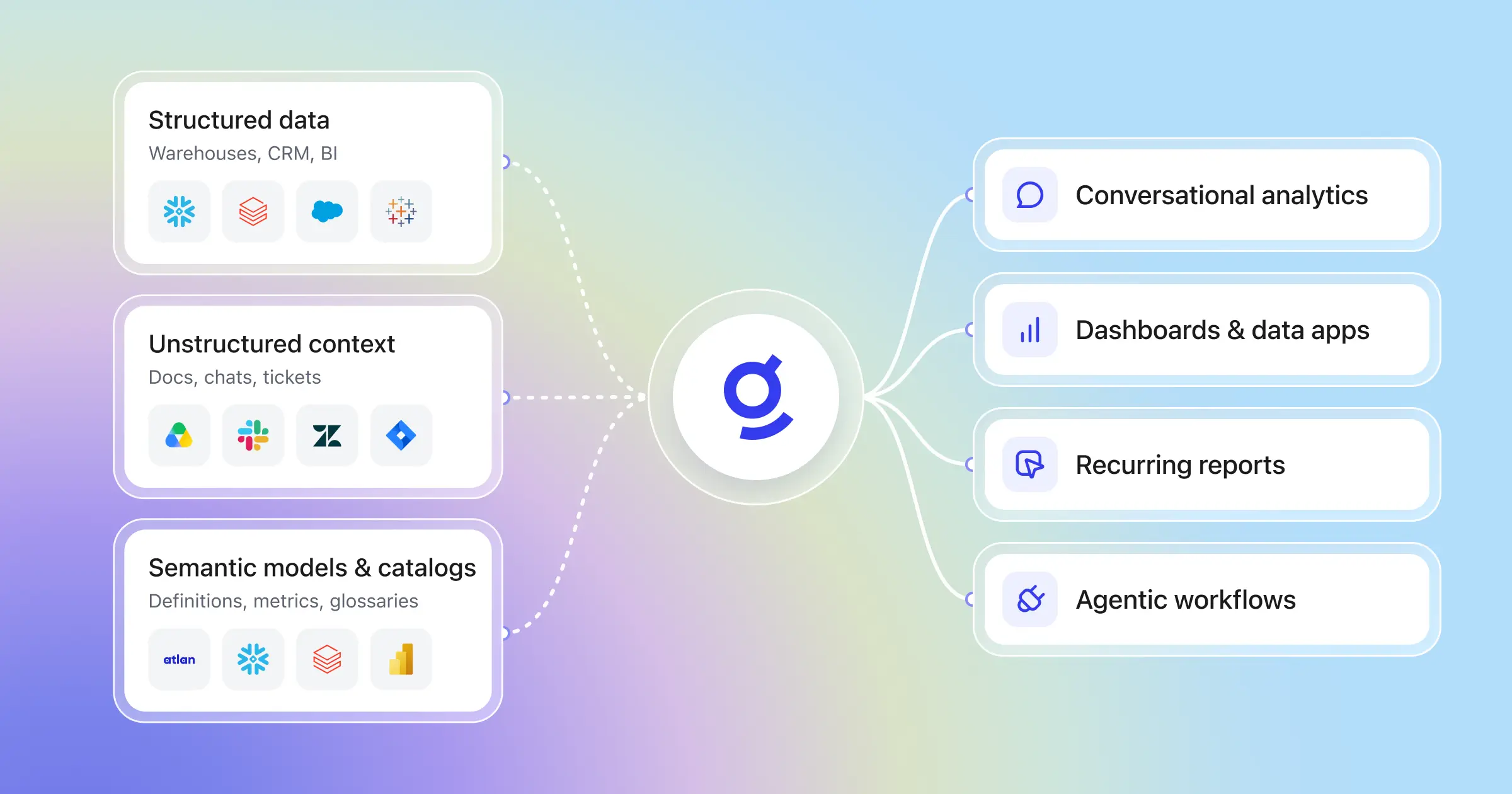
To effectively consolidate enterprise knowledge, organizations must adopt a structured approach that aligns technology with strategic objectives. The initial focus should be on deploying comprehensive enterprise search capabilities that unify access to information across various systems. This integration transforms disparate data into a coherent asset, allowing employees to retrieve information swiftly and efficiently. By utilizing advanced search technologies, businesses can improve data accessibility, ensuring that insights are readily available and actionable.
Creating a cohesive knowledge management framework is essential for successful consolidation. This framework should include explicit guidelines for how information is collected, categorized, and utilized throughout the organization. Establishing a centralized repository for critical business data ensures reliability and facilitates informed decision-making. By consolidating data management efforts, organizations can minimize the risks of redundancy and misinformation, promoting a culture of trust and value around organizational knowledge.
Building connectivity between different systems is crucial for eliminating silos and enabling seamless data flow. Through the use of middleware and application interfaces, organizations can establish real-time integration between tools, maintaining data consistency and currency. This connectivity not only enhances operational efficiency but also improves user experience by allowing seamless transitions between platforms without encountering information barriers.
Implementing data governance practices is pivotal in reducing redundancies and maintaining data quality. By standardizing procedures for data handling and upkeep, organizations can maintain accuracy and consistency across their information ecosystem. Furthermore, developing detailed knowledge maps that outline the location and interconnections of various data types provides a navigable overview of the organizational data landscape, empowering users to access information with confidence.
Assigning responsibility for distinct knowledge areas is vital for the ongoing success of these initiatives. Designating specific individuals or teams to manage each domain ensures active oversight and continuous updates, preventing data obsolescence. This accountability fosters a cycle of continual enhancement and alignment, ensuring that knowledge management practices evolve in tandem with organizational needs.
Building a unified knowledge management system
Initiating a unified knowledge management system requires a thorough evaluation of current data repositories and tools. This evaluation aims to identify existing gaps, overlaps, and inefficiencies within the organization's information infrastructure. By mapping out the current landscape, companies can pinpoint which tools are indispensable and where consolidation can occur, paving the way for a streamlined and cohesive system.
Clear goals for the new system must be articulated to align with the organization's strategic priorities. These goals should emphasize enhancing data accessibility, fostering collaboration, and expediting informed decision-making processes. By anchoring objectives to the broader organizational mission, firms can ensure that the system’s design supports both immediate operational needs and long-term strategic ambitions.
Choosing the right technologies is critical for integrating seamlessly with an organization’s existing systems, minimizing disruption while enhancing functionality. This approach leverages current investments, augmenting them with new capabilities that enable better data connectivity and usage. Technologies should also facilitate the creation of consistent data structures and classification systems, making information retrieval straightforward and intuitive.
Developing user-friendly interfaces is crucial for maximizing system engagement and utility. Interfaces should be designed to facilitate easy navigation and quick access to essential information, minimizing time spent searching for data. Prioritizing user experience encourages widespread system use, transforming it into a central hub for collaboration and knowledge exchange. Advanced search functions, capable of traversing multiple data sources, are integral to this user experience, ensuring that relevant information is always within reach.
Establishing robust governance structures is essential for maintaining data integrity and consistency. These structures provide clear guidelines for data management, promoting transparency and accountability throughout the organization. By standardizing data handling practices, governance frameworks mitigate risks associated with data privacy and regulatory compliance, helping to safeguard the organization against potential breaches.
To ensure successful implementation, organizations should develop comprehensive programs that facilitate user adoption and engagement. These programs should include training and support mechanisms to empower employees to integrate the system into their daily workflows. By proactively addressing potential resistance and emphasizing the system’s benefits, change management initiatives can foster a culture of acceptance and ownership among users. Continuous monitoring of system usage and feedback allows organizations to refine and adapt the system, ensuring it remains aligned with user needs and organizational goals.
Practical steps to reduce knowledge sprawl
Mitigating knowledge sprawl requires a thoughtful approach that combines technology and human factors. Initiate this process with periodic evaluations to uncover inefficiencies in your current software landscape. By thoroughly assessing the tools in use, organizations can identify redundancies and streamline their tech stack to focus on platforms that deliver the most value.
Refining the application ecosystem involves eliminating overlaps and optimizing data management processes. Transitioning data to centralized platforms can enhance data quality and ensure consistent access across the organization. Introducing a vetting process for new software acquisitions helps maintain alignment with strategic goals, preventing the introduction of unnecessary complexity.
Documenting the architecture of information repositories provides a clear overview of data storage and accessibility. Leveraging knowledge graphs can offer insights into how data interconnects, enhancing comprehension and facilitating more strategic decision-making.
Equipping team members with robust knowledge management skills empowers them to manage information more effectively. By fostering an understanding of best practices, employees can play a crucial role in maintaining data integrity. Implementing data lifecycle policies helps manage the volume of information over time, ensuring that only pertinent data is retained.
Automation can significantly improve data integration across various systems, reducing manual effort and ensuring coherence. Establishing systems for regular feedback collection can help identify areas where knowledge management can be improved, allowing for timely interventions.
Monitoring key performance indicators related to data access and utilization provides actionable insights into the effectiveness of knowledge management initiatives. By evaluating these metrics, organizations can continuously refine their approaches, ensuring that information remains a strategic asset rather than an operational burden.
The journey to conquering knowledge sprawl begins with understanding its impact and taking decisive action to unify your organization's information landscape. By implementing the strategies outlined above, you can transform scattered data into a strategic advantage that empowers your teams and accelerates business growth. Request a demo to explore how Glean and AI can transform your workplace and discover how we can help you build a more connected, productive, and secure knowledge ecosystem.

.jpg)

.png)



.jpg)
.webp)