


What is fragmented knowledge and why it matters
Fragmented knowledge occurs when information, expertise, and insights are scattered across disconnected systems, departments, and platforms. Think of it as organizational amnesia — where the left hand doesn't know what the right hand learned yesterday. McKinsey research reveals employees spend 1.8 hours daily searching and gathering information. This effectively means businesses hire five employees but only four contribute productive value.
Fragmented knowledge occurs when information, expertise, and insights are scattered across disconnected systems, departments, and platforms. Think of it as organizational amnesia — where the left hand doesn't know what the right hand learned yesterday. In fact, communication silos cost businesses an average of $12,506 per employee annually. For a mid-sized company with 200 employees, this represents $2.5 million in lost revenue annually.
What is fragmented knowledge?
Fragmented knowledge occurs when information, expertise, and insights are scattered across disconnected systems, departments, and platforms. Think of it as organizational amnesia — where the left hand doesn't know what the right hand learned yesterday. Research among over 1,000 knowledge workers found that employees use only 38% of their available knowledge and expertise at work. Meanwhile, 65% of workers possess knowledge their organization either isn't aware of or doesn't capitalize on.
In enterprises, this means critical data lives in silos — trapped in different tools, teams, and formats with no central way to access or connect it. Your marketing team's campaign insights live in one platform, engineering's product documentation in another, and customer feedback in yet another system. Each piece valuable on its own, but exponentially more powerful when connected.
In the bustling environment of modern enterprises, the scattering of knowledge across multiple platforms silently drains productivity and innovation. Instead of having streamlined access to information, employees often find themselves entangled in a web of disconnected tools, which disrupts their workflow and focus. Employees now spend an average of 3.6 hours every day searching for information at work. This represents an increase of a full hour over just one year, indicating the problem is getting worse. This inefficiency extends beyond individual tasks, creating a ripple effect that stifles team collaboration and overall organizational synergy.
Knowledge fragmentation creates invisible walls between what employees know individually and what the organization could know collectively. Unlike integrated knowledge systems where information flows naturally between teams and contexts, fragmented environments force workers to hunt across multiple sources for a single answer — if they even know where to look.
The hidden costs of knowledge fragmentation in the workplace
In the bustling environment of modern enterprises, the scattering of knowledge across multiple platforms silently drains productivity and innovation. Instead of having streamlined access to information, employees often find themselves entangled in a web of disconnected tools, which disrupts their workflow and focus. This inefficiency extends beyond individual tasks, creating a ripple effect that stifles team collaboration and overall organizational synergy.
The existence of information silos acts as a significant barrier to operational fluidity. When teams operate in isolation, they may inadvertently engage in redundant work, unaware that similar projects are being undertaken elsewhere within the organization. This lack of interdepartmental visibility not only squanders resources but also squelches potential for shared insights and innovation. Valuable insights often remain confined within departmental walls, inaccessible to those who could leverage them for broader organizational benefit.
Decision-making processes suffer when leaders lack a cohesive view of the organization's data landscape. Fragmented information forces decision-makers to rely on outdated or incomplete data, potentially leading to strategic missteps. The challenge lies in synthesizing disparate data sources into a coherent narrative that accurately reflects current conditions, enabling timely and informed decisions that align with market dynamics.
New employees face daunting obstacles in environments where knowledge is scattered. Without a centralized repository of information to guide them, onboarding becomes a prolonged and fragmented experience. This not only delays their integration into the team but also heightens the risk of errors due to an incomplete grasp of the company’s processes and practices. Such environments fall short of realizing the vision of an interconnected workplace, stalling both individual and collective advancement.
How fragmented knowledge impacts organizational learning
The fragmentation of knowledge poses a formidable challenge to organizational learning, disrupting the natural flow of insight and innovation. In environments where information remains compartmentalized, employees struggle to draw connections and develop comprehensive insights from the data available. This lack of integration hampers the ability to link related projects, causing teams to overlook potential synergies that could drive their work forward.
The collective memory of an organization becomes fragile when knowledge disperses into isolated pockets. Key insights that reside solely in individual minds or scattered documents risk becoming inaccessible, particularly when employees transition out of roles or the organization. This dispersion leaves a gap new hires find challenging to bridge, as they navigate through fragmented knowledge to contribute effectively to the organization's objectives.
Departments that operate in silos face difficulties in cross-functional collaboration, unable to seamlessly exchange insights and experiences. The absence of an integrated knowledge-sharing framework restricts interaction between teams, hindering the exchange of ideas that often generate innovation. Employees may duplicate efforts, unaware of existing solutions that could streamline their work, ultimately diminishing the organization's ability to leverage its intellectual assets fully.
In academic institutions, the compartmentalization of knowledge mirrors enterprise struggles. Research often remains confined within departmental boundaries, limiting the potential for interdisciplinary breakthroughs that could propel both academic and practical advancements. Without strategies to bridge these divides, institutions risk stagnation, unable to exploit the diverse expertise within their community. This highlights the critical need for integrated systems that nurture comprehensive learning and discovery across varied domains.
The relationship between data fragmentation and productivity
The dispersion of data across multiple platforms undermines an organization's potential for streamlined productivity. When employees must juggle between various applications, it interrupts the natural workflow, leading to unnecessary mental strain. This continuous toggling not only fragments attention but also undermines efficiency, as staff navigate through a labyrinth of disconnected systems. Consequently, tasks that should be simple morph into intricate challenges, demanding more resources and time than they otherwise would.
In collaborative settings, the effects of data fragmentation become even more pronounced. The success of team projects depends heavily on the seamless flow of information. However, when essential data sits isolated in departmental silos, it elongates project timelines and disrupts the synchronization needed for effective teamwork. Moreover, with the shift towards remote and hybrid work models, traditional methods of knowledge sharing have diminished. Without effective tools to facilitate digital interaction, the dissemination of information remains sporadic and inconsistent.
Security concerns emerge when employees, faced with data access barriers, resort to makeshift solutions. In the absence of a cohesive data framework, individuals might turn to insecure practices like sharing credentials or using unauthorized apps. These stopgap measures not only threaten data security but also expose the organization to potential breaches and regulatory issues. Furthermore, the delay in deriving insights becomes significant when data collation and analysis depend on manual processes. This sluggish pace stalls decision-making and handicaps the organization’s ability to respond agilely to evolving market conditions.
Breaking down information silos with modern approaches
Technology solutions
To effectively dismantle information silos, enterprises must adopt technology solutions that integrate seamlessly with existing systems, enhancing rather than replacing them. Advanced knowledge management platforms emerge as pivotal tools, facilitating the linkage of disparate systems to create a cohesive information landscape. This enables organizations to streamline their information ecosystems efficiently.
Cultural shifts
Technology alone can't eliminate silos; cultural transformations within the organization are equally crucial. Cultivating a culture that prioritizes documentation and knowledge sharing as fundamental job responsibilities is essential. This cultural evolution involves recognizing and rewarding open communication and collaborative behaviors, shifting away from the notion that knowledge is most valuable when withheld.
Process improvements
Process enhancements are vital in dismantling silos, beginning with the standardization of how teams capture and share insights. Implementing consistent practices for documentation and knowledge dissemination creates reliable information flows.
Integrating knowledge sharing into project workflows from the outset ensures it is a fundamental element of execution rather than a secondary task. When teams embed documentation and information exchange into their project processes, they contribute to a more interconnected and agile organization.
Building connective learning through knowledge graphs
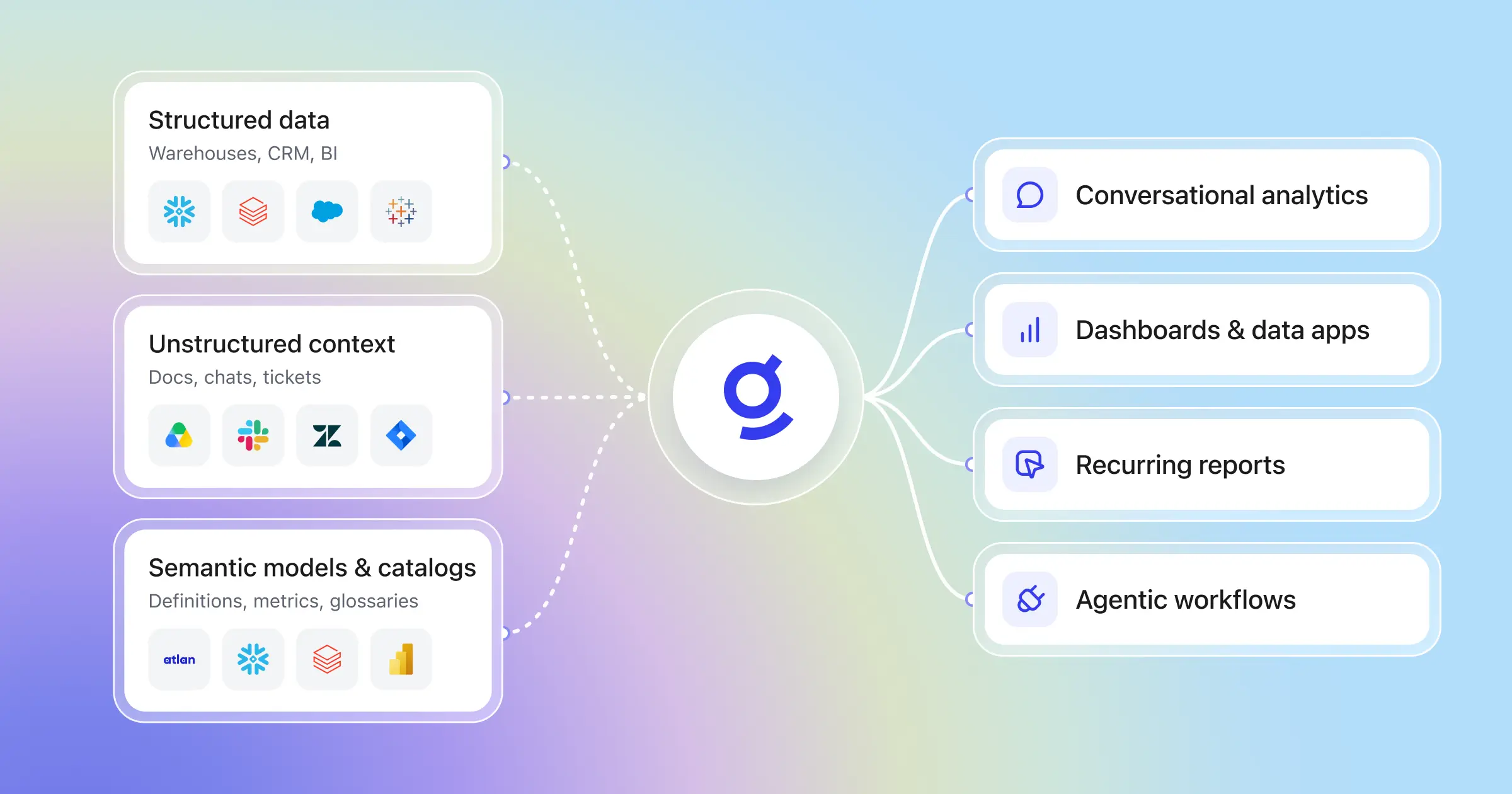
Knowledge graphs redefine how enterprises harness and interlink their data by constructing a comprehensive network that encapsulates diverse information sources. This advanced framework enables the seamless integration of scattered data points, transforming them into a cohesive and insightful structure that supports strategic decision-making. By bridging the gaps between isolated datasets, knowledge graphs offer a holistic perspective on the organization’s informational assets.
The use of knowledge graphs facilitates an intuitive understanding of complex data interrelations, as they employ visual tools to illustrate connections between disparate information elements. This approach empowers employees to discern how various data points—such as customer insights, product specifications, and market trends—are interrelated, providing clarity that drives informed actions. Employees can navigate these intricate networks with ease, fostering a deeper comprehension of the enterprise's knowledge landscape.
With AI-enhanced features, knowledge graphs dynamically evolve, ensuring their relevance amidst ongoing organizational changes. These systems adapt in real-time to shifts in team structures, project priorities, and data growth, maintaining their effectiveness and precision. This adaptability supports a culture of connective learning, where employees can explore interconnected concepts fluidly, unlocking pathways for innovation. By retaining contextual integrity, knowledge graphs dissolve traditional silos, preserving the nuanced understanding necessary for transformative insights.
Strategies for effective enterprise knowledge management
Embarking on a journey to optimize enterprise knowledge management involves a strategic assessment of the organization's current knowledge landscape. This process begins with evaluating the accessibility, relevance, and comprehensiveness of existing information repositories. By mapping out where knowledge resides and identifying the most frequent access points, organizations can better understand the flow and potential barriers within their information ecosystem.
Focusing on areas where knowledge fragmentation poses the greatest operational challenges allows for targeted interventions that yield significant benefits. By honing in on bottlenecks and inefficiencies, organizations can implement solutions that streamline processes and enhance collaboration across departments. This targeted approach not only resolves immediate issues but also lays the groundwork for long-term improvements in how knowledge is managed and utilized.
Choosing technology that complements current workflows is crucial for seamless integration and minimal disruption. Rather than introducing entirely new systems, enhancing existing infrastructures with complementary tools ensures continuity and ease of transition. This strategy maximizes the efficiency of current processes while introducing innovative capabilities that support comprehensive knowledge management.
Encouraging user engagement through intuitive design and demonstrable advantages fosters widespread adoption of new systems. When employees can easily navigate platforms and experience firsthand the efficiency gains, they are more likely to embrace these tools fully. Providing targeted training and showcasing practical benefits helps create a positive reception, ensuring the new systems become integral to daily operations.
Establishing robust data management protocols ensures that information remains both secure and accessible. By defining clear guidelines for data handling, organizations can protect sensitive information while facilitating the free flow of non-sensitive data across teams. This balance fosters a culture of trust, where employees feel confident in the security and integrity of their shared knowledge.
Empowering departmental advocates to champion knowledge initiatives bridges the gap between strategic goals and everyday practices. These advocates serve as catalysts for change, promoting best practices and facilitating communication between different teams. By nurturing a network of proactive supporters, organizations ensure sustained enthusiasm and commitment to ongoing knowledge management efforts.
Implementing key performance indicators provides valuable insights into the effectiveness of knowledge initiatives. Metrics such as user satisfaction, frequency of access, and the time taken to retrieve information help organizations evaluate the impact of their strategies. Regular review and analysis of these metrics enable continuous refinement and adaptation of knowledge management approaches, ensuring they remain aligned with organizational objectives.
Implementing collaborative learning in fragmented environments
Creating a culture of collaborative learning in environments where knowledge is scattered requires intentional design and thoughtful integration. Systems should be established that not only capture insights as they arise but also encourage their immediate application and sharing. By embedding these mechanisms directly into daily operations, organizations can ensure that valuable knowledge is harnessed effectively and disseminated across teams without delay.
Facilitating knowledge exchange demands platforms that prioritize ease of use and integration with existing workflows. These platforms should enable employees to contribute and access insights effortlessly, fostering a natural flow of information that supports both individual and collective growth. Additionally, providing diverse channels for interaction—synchronous for real-time discussions and asynchronous for thoughtful reflection—caters to varied work styles and schedules, enhancing overall engagement.
Harnessing AI to anticipate informational needs and deliver insights proactively can significantly streamline operations. By analyzing user behavior and extracting patterns, AI can provide timely recommendations, ensuring that employees receive pertinent data without actively searching for it. This capability not only enhances decision-making but also reduces the cognitive load associated with information retrieval, allowing teams to focus on strategic initiatives.
Continuous improvement of knowledge quality relies on establishing robust systems for gathering and acting on employee feedback. Encouraging a culture where feedback is valued and used to refine knowledge management practices ensures that systems remain dynamic and responsive to user needs. By actively involving employees in the evolution of these practices, organizations can maintain relevance and efficacy.
Developing networks of practice within key knowledge areas encourages the exchange of specialized knowledge and best practices. These networks serve as collaborative hubs where individuals with shared expertise can engage in meaningful dialogue, driving innovation and solving complex problems through collective intelligence.
Peer learning initiatives naturally bridge gaps between different areas of expertise, fostering an environment of mutual learning and support. By promoting mentorship and collaborative skill-building, organizations can connect fragmented knowledge domains, enhancing both individual and organizational capabilities. Such programs not only facilitate personal development but also contribute to a more integrated knowledge ecosystem.
In today's globally distributed work environments, ensuring access to information from any location is crucial. Providing robust mobile solutions supports the seamless flow of knowledge irrespective of physical boundaries, enabling employees to contribute to and benefit from the organization's collective intelligence wherever they are. This commitment to accessibility and inclusiveness reinforces a culture of continuous learning and collaboration, empowering employees to thrive in a dynamic work landscape.
The journey from fragmented to connected knowledge starts with understanding where you are today and envisioning where you need to be tomorrow. We've seen firsthand how organizations transform when they break down information silos and empower their teams with unified access to collective intelligence.
The path forward
Fragmented knowledge isn't just an IT problem or an HR challenge — it's a fundamental barrier to organizational effectiveness. Every day it persists, companies lose ground to more connected competitors who can learn faster, adapt quicker, and innovate more freely.
Ready to see what's possible when your knowledge works as hard as your people do? Request a demo to explore how Glean and AI can transform your workplace.



.jpg)

.png)