



Enhancing team collaboration with AI-powered knowledge search
The modern enterprise generates vast amounts of data across countless platforms, creating an information maze that teams must navigate daily. When critical knowledge remains scattered across emails, documents, chat threads, and databases, collaboration suffers and productivity stalls.
AI-powered knowledge search represents a fundamental shift in how organizations access and share information. This technology transforms fragmented data repositories into unified, intelligent systems that understand context, learn from usage patterns, and deliver precise answers exactly when teams need them.
For enterprises managing distributed workforces and complex workflows, the ability to instantly surface relevant information has become essential. Teams in engineering, sales, customer service, and HR increasingly rely on AI-driven search capabilities to break down information silos and accelerate decision-making across time zones and departments.
What is AI-powered knowledge search?
AI-powered knowledge search combines natural language processing, machine learning algorithms, and semantic understanding to help teams find information across their entire digital ecosystem. Unlike traditional keyword-based search that returns lists of documents, AI search understands the intent behind queries and delivers contextually relevant answers — whether that's a specific data point, a comprehensive summary, or connections between disparate pieces of information.
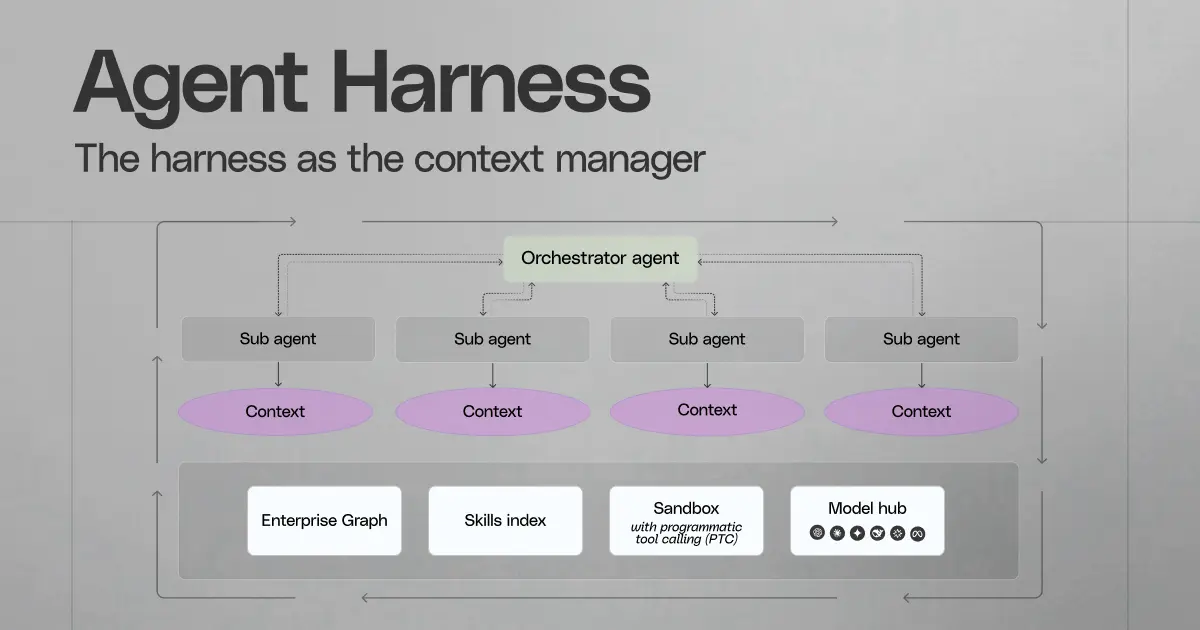
The technology works by continuously indexing and analyzing content across multiple enterprise applications: from Salesforce records and JIRA tickets to internal wikis and shared drives. Advanced systems create knowledge graphs that map relationships between people, projects, and content, enabling the AI to understand not just what information exists, but how different pieces connect and who has expertise in specific areas.
Core components of AI knowledge search
How AI search differs from traditional methods
Traditional enterprise search often fails because it treats all content equally and relies on exact keyword matches. A search for "customer onboarding process" might return hundreds of documents containing those words but miss the most relevant playbook because it uses different terminology. Employees waste hours sifting through results or, worse, recreate work that already exists somewhere in the organization.
AI-powered search addresses these limitations through semantic understanding and personalization. The technology recognizes that a new sales representative searching for "onboarding" likely needs customer onboarding materials, while an HR team member needs employee onboarding resources. By understanding user roles, past behavior, and current projects, AI search delivers precisely what each person needs without requiring them to craft complex search queries.
This intelligent approach extends beyond simple retrieval. When teams search for information about a specific project or customer, AI systems can aggregate data from multiple sources — pulling relevant emails, meeting notes, project updates, and technical documentation into a unified view. This comprehensive perspective enables faster, more informed decision-making while ensuring teams don't miss critical context hidden in organizational silos.
How AI-powered knowledge search improves team collaboration
AI-powered knowledge search redefines team collaboration by serving as a catalyst for informed and agile decision-making. These systems empower teams with precise insights, allowing them to align on shared goals and work efficiently. By streamlining access to critical data, team members can concentrate on their primary tasks, assured they have the most pertinent insights available.
Enhancing communication and decision-making
AI search capabilities revolutionize communication within teams by significantly reducing the time spent locating and verifying information. This transformation enables more effective discussions and strategic initiatives, as teams have immediate access to the insights they need.
Seamless integration with existing systems
A key advantage of AI-powered knowledge search is its ability to integrate smoothly with current enterprise systems. This integration not only enhances the consistency of information but also ensures a unified approach to data management. Instead of navigating multiple platforms, teams benefit from a cohesive information system.
Through these capabilities, AI-powered knowledge search not only enhances immediate team collaboration but also prepares organizations for a more interconnected and responsive future.
Step 1: implement AI-driven knowledge management
Introducing AI-driven knowledge management within an organization requires a strategic approach that balances technological advancement with practical implementation. The goal is to create a system where information flows seamlessly, supporting teams as they navigate complex workflows. By focusing on AI-powered tools for knowledge discovery, enterprises can ensure that every team member has quick access to the information they need, reducing the friction associated with traditional data retrieval methods.
Streamlining knowledge discovery
AI-driven tools revolutionize knowledge discovery by integrating various data sources into a cohesive system. This unified approach ensures that employees can access comprehensive insights without manually piecing together information from disparate databases. The implementation of AI-powered search capabilities transforms how teams interact with organizational knowledge, making it more accessible and actionable.
Unifying data sources for enhanced efficiency
The integration of AI-powered workplace search capabilities brings a new level of efficiency to enterprise environments. By unifying data from various sources, these systems provide a comprehensive view of organizational knowledge, streamlining processes and enhancing productivity.
By implementing AI-driven knowledge management strategies, organizations position themselves to better navigate the complexities of modern business landscapes. These systems not only enhance current operations but also lay the groundwork for future innovations—ensuring that teams are equipped to tackle challenges with agility and insight.
Step 2: enhance information retrieval
Enhancing information retrieval is pivotal in the quest to empower teams with the resources they need to thrive in a fast-paced work environment. AI achieves this by integrating sophisticated algorithms with intelligent data analysis to elevate the search experience. Unlike conventional search tools that rely on static keyword matching, AI-driven systems interpret the intent behind queries, enabling them to provide highly relevant responses tailored to specific organizational contexts.
Leveraging advanced algorithms
Advanced algorithms serve as the backbone of AI search capabilities, transforming how teams interact with their digital ecosystems. By deciphering complex patterns and relationships within data, these algorithms allow search systems to process intricate queries effortlessly, ensuring users receive precise answers without the need for cumbersome search strings. This ability to interpret data as it relates to user intent enhances the accuracy and speed of information retrieval.
Supporting remote team efficiency
In an era where remote work is commonplace, AI's ability to enhance information retrieval plays a critical role in maintaining team efficiency. By providing immediate access to essential documents and insights, AI-powered search systems eliminate the delays and frustrations that often accompany traditional data retrieval methods.
By focusing on enhancing information retrieval, organizations can unlock the full potential of their workforce. AI's ability to interpret data patterns and deliver timely, relevant information equips teams to navigate challenges with confidence and efficiency, ensuring they remain competitive in a rapidly evolving business landscape.
Step 3: facilitate knowledge sharing
Facilitating effective knowledge sharing is crucial for building a collaborative environment where information flows seamlessly across the organization. AI tools transform the way knowledge is exchanged by creating dynamic systems that not only house information but actively distribute it in a timely manner. Through the strategic use of AI, organizations ensure that each department remains connected, effectively dismantling knowledge barriers and nurturing a culture of transparency and cooperation.
Building interdepartmental synergy
AI-driven platforms enhance synergy between departments by ensuring that pertinent information is readily available to all team members. These systems do more than just aggregate data; they provide insights that facilitate a more interconnected and informed workplace.
Promoting a culture of learning
Beyond enhancing transparency, AI tools support an environment of ongoing learning by proactively delivering content that aligns with the evolving needs of individuals and teams. This approach ensures that learning becomes an integral, continuous process embedded within daily operations.
Through these capabilities, AI-powered knowledge sharing not only enhances immediate collaboration but also prepares organizations for sustained growth and innovation. This ensures that teams are equipped to leverage shared insights effectively, driving success across all levels.
Step 4: support remote team communication
In today's remote work landscape, effective communication is imperative for team success. AI-powered communication tools transform how teams collaborate asynchronously, ensuring productivity remains high even across varying time zones. These advanced systems create an environment where communication is both flexible and precise, allowing teams to navigate geographical distances seamlessly.
Tools for asynchronous collaboration
AI plays a pivotal role in facilitating asynchronous work by creating platforms that intelligently adapt to team dynamics. These systems enhance communication quality by ensuring that interactions are contextually aware and timely, which is essential for distributed teams.
Cultivating engagement and cohesion
Beyond managing communication logistics, AI tools actively foster an engaged and cohesive work culture. By tailoring updates and creating inclusive virtual environments, these tools keep remote team members connected and motivated.
By leveraging these cutting-edge capabilities, AI not only facilitates the mechanics of communication but also enriches the quality of team interactions, fostering a collaborative ecosystem where remote teams thrive.
Step 5: drive digital transformation
Digital transformation is a strategic endeavor that involves embedding AI across organizational processes to foster a more dynamic and responsive workplace. By leveraging AI technologies, enterprises significantly enhance their capacity to adapt and innovate, leading to improved operational efficiency and competitive advantage.
Revolutionizing operational dynamics
AI-powered solutions redefine operational dynamics by enabling seamless integration and interaction with organizational data. This transformation is characterized by the ability to swiftly access relevant insights, which in turn accelerates decision-making and optimizes performance across various business functions.
Fostering innovation and agility
AI empowers organizations to cultivate an innovative culture by providing tools that encourage creative problem-solving and cross-functional collaboration. This empowerment is key to driving new developments and maintaining a competitive edge in dynamic markets.
Through strategic deployment of AI in digital transformation, enterprises are equipped to navigate the complexities of modern business landscapes. This approach not only enhances current operations but also establishes a robust foundation for future innovation and success.
Final thoughts
In today's fast-paced digital landscape, AI-powered knowledge search stands as a transformative element that reshapes how teams function. By seamlessly connecting disparate data sources into an intuitive system, it empowers organizations to streamline processes and foster a collaborative environment where innovation thrives.
Enhancing team dynamics
AI solutions significantly enhance team dynamics by ensuring that communication barriers are minimized and that all members are moving forward with a unified vision. The ability to provide timely insights and integrate seamlessly into existing workflows means that teams can operate with clarity and precision, even when physical distances separate them.
Preparing for future challenges
As organizations prepare for future challenges, leveraging AI-powered knowledge search becomes a strategic advantage that positions them to adapt swiftly to change. The technology’s capacity for continuous learning and integration with emerging tools ensures that teams remain agile and ready to tackle new opportunities.
By embedding these advanced AI systems into everyday operations, enterprises unlock new efficiencies and capabilities, creating a workplace where the flow of knowledge is as seamless as it is powerful, driving success across all levels.
As organizations continue to evolve, the integration of AI-powered knowledge search becomes essential for maintaining competitive advantage and fostering meaningful collaboration. We understand that transforming your workplace requires the right technology partner who can deliver secure, scalable solutions that grow with your needs. Request a demo to explore how Glean and AI can transform your workplace and discover how we can help you unlock the full potential of your team's collective knowledge.