



How Should Australian Enterprises Evaluate AI Vendors on Data Residency?
Australian enterprises should evaluate AI vendors on data residency by confirming where their data is stored, processed, logged, backed up, and accessed across the full AI system and every subcontractor. That evidence lets you weigh Privacy Act 1988 obligations, APP 8 exposure, APRA expectations, and operational risk before you buy.
Residency and sovereignty are separate questions: residency is where your data lives and moves. Sovereignty is which legal jurisdiction can compel access to it, regardless of where the disks sit.
The right evaluation looks past the hosting region and traces the full data path: prompts, retrieved content, model inference, logs, admin access, and downstream actions. Each step can sit in a different jurisdiction, so a single "data stored in Sydney" claim rarely tells the whole story.
How should Australian enterprises evaluate AI vendors on data residency?
Start with documented evidence rather than marketing language. Ask each AI vendor to answer four questions in writing:
- Where customer data is stored at rest
- Where inference runs
- Where logs and prompt content are retained
- Where support and engineering staff access the systems from
Those answers map directly to Australian data residency compliance under APP 8. That principle holds the disclosing Australian entity accountable for how an overseas recipient handles personal information. A clean answer covers storage, processing, and access. A vague answer usually means processing happens offshore even when storage does not.
Evaluate the vendor across the full lifecycle of work: ingestion, retrieval, prompts, outputs, automation steps, analytics, backups, deletion, and incident response. AI systems copy data at each stage, so a residency gap in any one step can undo an otherwise compliant design. Apply the same AI vendor evaluation criteria to every vendor, so procurement, security, legal, and business owners can compare answers cleanly.
Keep a written record of vendor claims, architecture diagrams, and contract language. That record becomes part of your approval trail and future audit evidence. A practical starting point is an AI vendor evaluation checklist that procurement, security, and privacy teams can score together.
1. Define Which Data and Workflows Must Stay in Australia
Start by naming the workflows your AI system will touch. A vendor might be fine for public-knowledge questions yet wrong for customer records, financial data, employee files, or regulated documents. That distinction shapes every later decision.
Classify the data before you shortlist vendors. Sort it into personal information, sensitive information, internal documents, source code, support tickets, contracts, and sector-regulated records. Then split low-risk use cases from high-risk ones.
Tighter sensitivity raises the bar to in-region storage, in-region processing, strong access controls, and auditable behavior. Weigh business context alongside legal context, including customer trust, procurement timelines, security-review effort, and deployment speed. Define what success looks like before you compare vendors: a compliant deployment, acceptable latency, permission-aware access, clear logging, manageable cost, and a realistic path to production.
2. Separate Data Residency, Data Sovereignty, and Data Custody Requirements
Three questions separate residency, sovereignty, and custody: where data is stored, where it is processed, and who can legally or operationally access it. Answer each one on its own. A single hosting claim rarely covers all three.
Treat storage region and processing region as separate controls. A vendor can store data in Australia while sending prompts, embeddings, or logs offshore for inference, abuse monitoring, or support. Governance has to follow the work, including generated outputs, copied data, synced connectors, and automated actions in other systems.
Decide whether you need residency alone or a stronger Australian data sovereignty posture for some use cases. A US-incorporated provider can be compelled under the CLOUD Act to produce data regardless of where the disks sit. Use this step to align security, legal, and operations early, covering APP 8 and contractual risk.
3. Map the Vendor's Full AI Data Flow Before You Assess Compliance
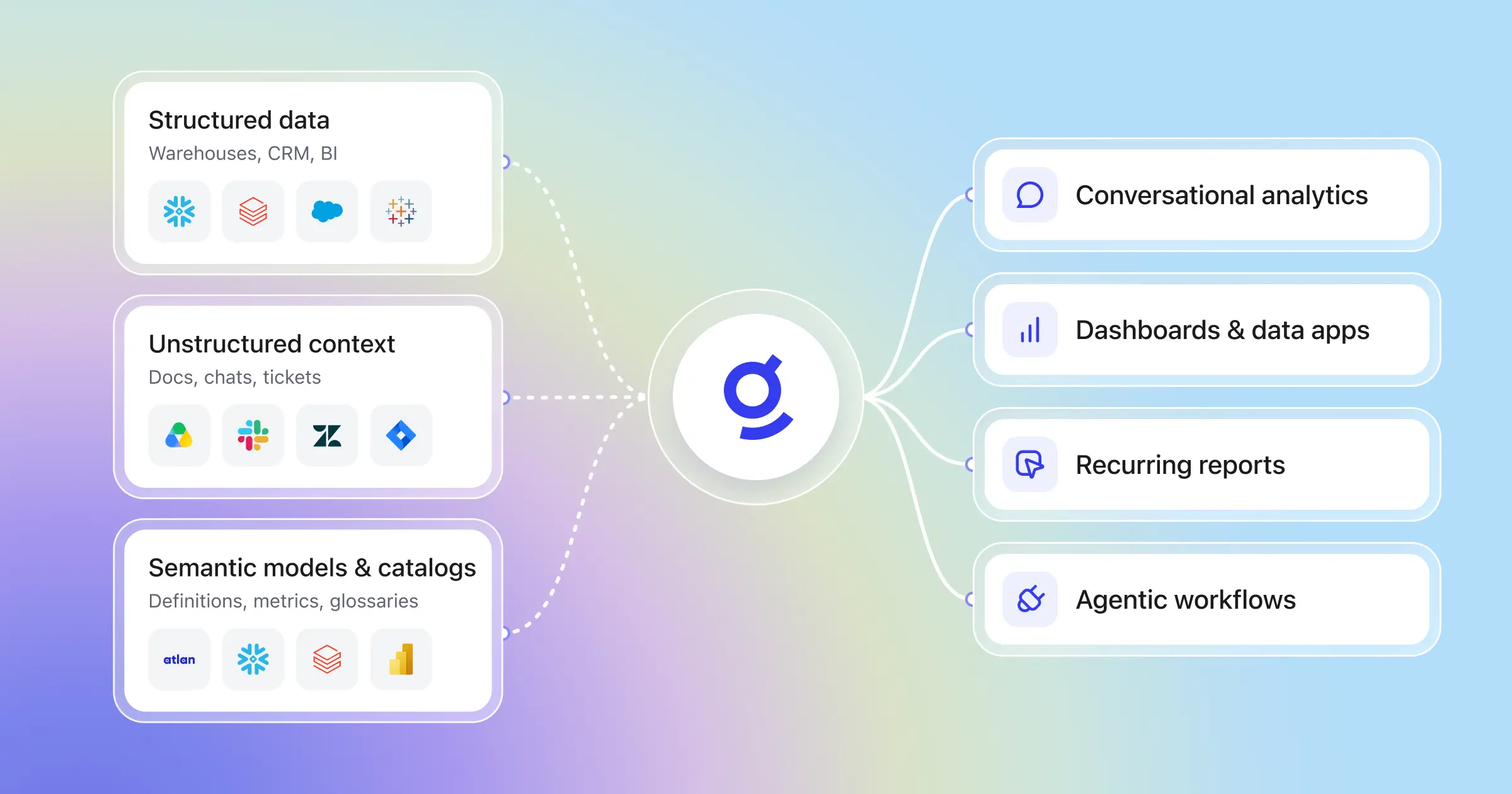
Ask the vendor for a plain-language architecture diagram showing every stage data moves through: connectors, indexing, retrieval, prompts, model calls, responses, logs, backups, analytics, and admin tooling. A polished demo hides these steps. The diagram exposes them.
Confirm that the system respects existing permissions before information is retrieved or generated. Access control cannot be bolted on after the model responds. Look past source data and verify how derived data is handled, because embeddings, summaries, cached responses, audit logs, and conversation history all carry residency and privacy implications. Privacy and compliance teams increasingly treat embeddings like the source text they derive from.
Check whether connected enterprise data stays in place or is copied into separate stores. Then check whether assistant or agent actions create new copies of regulated data in ticketing tools, chat systems, email, or workflow platforms. If your team is evaluating AI vendors, product architecture matters more than demo quality, and a strong answer explains the mechanism, not just the outcome.
4. Verify Australian Regulatory Fit with Documents, Contracts, and Technical Proof
Ask how the vendor's approach supports Privacy Act 1988 obligations and APP 8 accountability when personal information is disclosed or processed overseas. APP 8 keeps the disclosing Australian entity responsible for how an overseas recipient handles that information, which sets the bar for data residency compliance.
For APRA-regulated entities, request evidence of third-party risk management, security controls, and incident handling as reviewed under CPS 234 and operational risk frameworks. Require written confirmation of storage regions, processing regions, subprocessor locations, retention periods, deletion workflows, and incident notification commitments.
Review data-use terms closely. State clearly whether customer data, prompts, outputs, or metadata train or improve models, because no-train commitments are a baseline, not a nice-to-have. Confirm the vendor can produce audit logs, access records, and administrative event history. Ask for evidence, not assurances, including security reports, architecture diagrams, sample audit records, and contract exhibits tied to data residency compliance.
5. Test Operational Controls That Make Residency Claims Trustworthy
Validate how the vendor enforces permissions across search, answers, and actions. The system should return only data a user is already allowed to access. Glean uses permission-aware retrieval that returns only what a user can already see, paired with grounded, cited answers.
Check whether AI responses are grounded in enterprise sources and can cite where information came from. Grounded, cited answers reduce the need to paste more sensitive context into follow-up prompts. Review administrative controls next: role-based access, environment separation, customer-managed configuration, logging, and approval paths for actions that change records.
Ask how the vendor handles cross-border support, since offshore privileged access can create a gap between policy and practice even when data is hosted in Australia. Inspect incident response and change management, including clear breach-notification timelines and notice for model or infrastructure changes that could alter regional behavior. Then run a proof of concept with representative data and realistic workflows. Test permission enforcement, logging, deletion, escalation, and behavior when the system is uncertain. Favor platforms built for connected enterprise work over standalone chat tools.
6. Score Vendor Risk, Commercial Fit, and Exit Readiness Before You Buy
Convert your findings into a side-by-side scorecard. Score each vendor across residency posture, regulatory fit, permissions, auditability, model data use, integration depth, implementation effort, and support maturity. Penalize vague answers.
A vendor that cannot state exactly where data is stored, processed, logged, and accessed is a material risk, not a documentation gap. Include lock-in questions in the residency review: how data is exported, how indexes and logs are deleted, what happens to derived data, and how long backups persist after termination.
Compare architectures on speed to value as well as compliance. A system that meets residency requirements but cannot connect to your knowledge sources or workflows struggles to deliver ROI. Look for platforms that combine strong governance with practical adoption: broad connectors, permission-aware retrieval, grounded answers, action controls, and manageable administration. Close with a decision memo stating approved use cases, prohibited data classes, compensating controls, open risks, and required contract terms for production rollout.
Frequently Asked Questions
What specific data residency regulations must AI vendors comply with in Australia?
Evaluations start with the Privacy Act 1988 and the Australian Privacy Principles, especially APP 8 for overseas disclosure. Regulated industries may also assess APRA security and third-party risk expectations. The practical question is whether the vendor can show how its architecture, contracts, and operations support those obligations, not whether it simply claims compliance.
How can enterprises verify a vendor's claims about data residency?
Ask for written region commitments, architecture diagrams, subprocessor lists, audit log samples, and contract language covering storage, processing, retention, deletion, and model training. Then validate those claims in a pilot that uses real workflows, access controls, and incident-handling scenarios. Testing on representative data exposes gaps that vendor claims alone tend to miss.
What are the risks of non-compliance with data residency requirements?
Risks include regulatory exposure, a failed security review, contract breach, loss of customer trust, and rework after deployment. Non-compliance also slows internal AI adoption, because teams lose confidence in where data goes and who can access it. That hesitation stalls projects long before any regulator gets involved.
What criteria should be included in an AI vendor assessment checklist?
Cover data location, processing location, subprocessor transparency, no-train terms, permission enforcement, auditability, incident response, deletion, integrations, and exit terms. The strongest checklist ties each control to a real enterprise workflow, such as ticket triage or contract review, rather than a procurement checkbox. Specific workflows make gaps visible.
How does data residency impact client trust and business operations?
Data residency affects how quickly legal and security teams approve a deployment, how confidently employees use the tool, and how customers view your handling of sensitive information. When residency controls are clear and enforceable, teams can expand AI into search, assistance, and automation with fewer exceptions and less friction.
The vendors that pass this review are the ones that can show you exactly where your data lives, who can reach it, and how every answer stays grounded and permission-aware. We built our Work AI platform to meet that bar, connecting your company's knowledge with cited answers and governed automation that respect the permissions you already have. Request a demo to see how we can put residency-safe AI to work across search, assistance, and automation.