


Integration capabilities of leading AI agent frameworks for enterprises
AI agent frameworks represent the next evolution in enterprise automation, moving beyond rigid rule-based workflows to intelligent systems that can reason, plan, and execute complex tasks autonomously. These platforms enable organizations to build digital workers that handle everything from customer support escalations to financial analysis, learning and improving with each interaction. Reflecting this momentum, 88 percent of 300 senior executives surveyed report their teams plan to increase AI-related budgets in the next 12 months due to agentic AI, yet 46 percent express concern their company may be falling behind competitors.
AI agent frameworks represent the next evolution in enterprise automation, moving beyond rigid rule-based workflows to intelligent systems that can reason, plan, and execute complex tasks autonomously. These platforms enable organizations to build digital workers that handle everything from customer support escalations to financial analysis, learning and improving with each interaction. Yet only 1 percent of leaders call their companies 'mature' on the AI deployment spectrum, meaning AI is fully integrated into workflows and drives substantial business outcomes.
Enterprise AI adoption has reached an inflection point where simple automation no longer meets the complex demands of modern business operations. Companies need systems that can understand context, make intelligent decisions, and adapt to unexpected scenarios across departments. While 78 percent of organizations now report using AI in at least one business function, up from 72 percent in early 2024 and 55 percent a year earlier, more than 80 percent of respondents report their organizations aren't seeing tangible impact on enterprise-level EBIT from their use of gen AI.
AI agent frameworks represent the next evolution in enterprise automation, moving beyond rigid rule-based workflows to intelligent systems that can reason, plan, and execute complex tasks autonomously. These platforms enable organizations to build digital workers that handle everything from customer support escalations to financial analysis, learning and improving with each interaction.
The right framework can transform how teams collaborate, reducing manual work by 60-80% while maintaining the security and governance standards that enterprises require. Success depends on selecting a platform that balances flexibility with enterprise-grade features, enabling both technical and non-technical teams to create powerful AI-driven workflows.
What are AI agent frameworks for enterprise workflows?
AI agent frameworks are sophisticated software platforms that empower organizations to create, deploy, and manage autonomous digital workers capable of executing complex business processes. Unlike traditional automation tools that follow predetermined scripts, these frameworks enable agents to perceive their environment, reason through problems, and take appropriate actions based on context and organizational goals.
The evolution from traditional workflow automation to AI agent frameworks represents a fundamental shift in how enterprises approach digital transformation. Where RPA tools excel at repetitive, structured tasks, AI agents thrive in environments requiring judgment, creativity, and adaptation. Reflecting this role, the RPA market was valued at $3.79 billion in 2024 and is projected to reach $30.85 billion by 2030, representing a compound annual growth rate of 43.9%. They bridge the gap between human intuition and machine efficiency, creating a new category of digital labor that enhances rather than replaces human workers.
- Autonomous Decision-Making: Agents operate independently, making context-aware choices without constant human oversight
- Multi-Step Reasoning: Complex tasks are broken down into logical sequences, with agents planning and executing each step
- Dynamic Adaptation: When encountering exceptions or new scenarios, agents adjust their approach rather than failing
- Tool Integration: Seamless connection to enterprise systems through APIs, databases, and specialized applications
- Self-Improvement: Continuous learning from outcomes and feedback to enhance future performance
The architecture of modern AI agent frameworks goes beyond simple chatbot interactions or robotic process automation. These systems incorporate sophisticated memory mechanisms that allow agents to maintain context across sessions, understanding not just the current request but the full history of interactions with a customer or process. They employ function calling to interact with external tools and systems, enabling them to retrieve real-time data, execute transactions, and coordinate across multiple platforms simultaneously.
What truly distinguishes enterprise-grade frameworks is their ability to handle the complexity and scale of real business operations. A customer service agent built on these platforms can simultaneously manage chat conversations, analyze sentiment, search knowledge bases, create support tickets, and escalate to human agents when necessary — all while maintaining compliance with data privacy regulations and company policies. This orchestration happens through sophisticated routing logic, state management, and error handling that ensures reliability even when dealing with thousands of concurrent requests.
The evolution from traditional workflow automation to AI agent frameworks represents a fundamental shift in how enterprises approach digital transformation. Where RPA tools excel at repetitive, structured tasks, AI agents thrive in environments requiring judgment, creativity, and adaptation. They bridge the gap between human intuition and machine efficiency, creating a new category of digital labor that enhances rather than replaces human workers.
Key features to look for in enterprise AI agent frameworks
Modularity and flexibility
Enterprise AI agent frameworks excel with a focus on modularity, allowing seamless adaptability to evolving business needs. This dynamic structure ensures components such as models, tools, and routing can be updated or replaced without disruption. By supporting continuous innovation, these frameworks enable organizations to stay ahead in technological advancements.
Enterprise-grade security
Security remains a cornerstone for AI deployment in enterprises. Advanced frameworks incorporate robust encryption, access controls, and comprehensive audit capabilities. These features ensure adherence to industry regulations, protecting sensitive data and maintaining enterprise trust—a critical requirement for compliance-heavy sectors.
Observability and monitoring
Ensuring reliability in AI systems demands comprehensive observability. Leading frameworks provide detailed logging, metrics, and alerts to monitor performance consistently. These tools facilitate quick issue identification and ongoing improvements, supporting teams in refining AI operations based on actionable insights.
Integration capabilities
Efficient integration is vital for cohesive digital ecosystems. Frameworks with versatile integration options, including seamless connections to various enterprise applications and services, reduce development time. This capability fosters smooth interactions within existing infrastructures, enhancing the overall efficiency of AI deployments.
Deployment options
Versatile deployment options cater to diverse enterprise needs. Frameworks supporting cloud, VPC, or on-premise environments offer the flexibility to align with strategic objectives and data residency requirements. This adaptability ensures seamless implementation across different operational settings.
Developer experience
A streamlined developer experience accelerates AI innovation. Frameworks featuring comprehensive SDKs, user-friendly visual builders, and robust documentation enable rapid development cycles. These tools empower developers to focus on crafting impactful AI solutions, driving productivity and fostering a culture of innovation.
How AI Agent frameworks compare in terms of scalability
Scalability in AI agent frameworks is crucial for enterprises managing extensive operations. Top frameworks excel by supporting large-scale deployments, ensuring consistent performance even during peak loads. This capability allows businesses to expand their services smoothly, maintaining efficiency as demands increase.
Distributed architectures enhance scalability by allowing frameworks to deploy agents across various servers. This setup supports complex workflows, enabling enterprises to grow without disrupting existing processes. By facilitating distributed deployments, frameworks maintain system robustness and adaptability.
Advanced resource management techniques further optimize performance. Frameworks employ intelligent memory management and efficient data handling to reduce server load and enhance processing speed. Multi-agent orchestration coordinates multiple agents effectively, ensuring streamlined task execution.
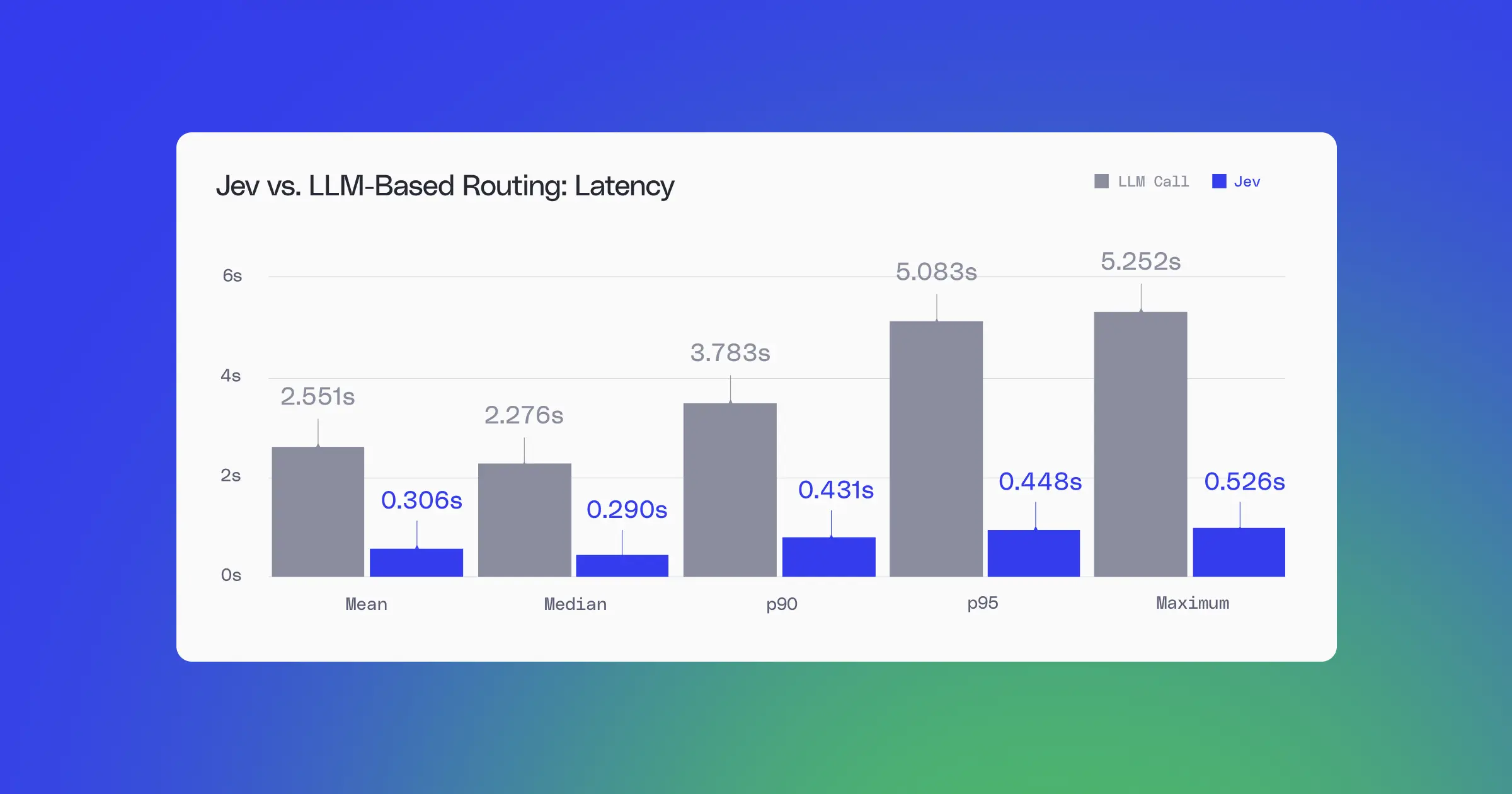
Real-time responsiveness is vital for critical enterprise operations. Frameworks with low-latency capabilities ensure that urgent tasks are processed swiftly, enhancing decision-making and response times. This ensures that enterprises remain agile and responsive in dynamic environments.
Cost management is supported through strategic pricing models and resource allocation. By aligning expenses with actual usage, frameworks enable sustainable growth, allowing businesses to scale efficiently without financial strain.
Strengths and Weaknesses of Popular AI Agent Frameworks
Open-Source Frameworks
Open-source frameworks bring a high level of adaptability, allowing businesses to customize solutions precisely to their needs. The open nature of the code provides complete visibility, fostering innovation and collaboration within the community. This transparency enables organizations to develop unique features without relying on third-party vendors.
However, implementing open-source frameworks can demand substantial technical expertise. Companies must allocate resources for continuous scaling, security, and maintenance, which can become complex and resource-intensive. The lack of integrated governance tools requires businesses to establish their own compliance measures, posing challenges for teams with limited technical capabilities.
Vendor-Managed Platforms
Vendor-managed platforms are equipped with comprehensive security and compliance features, making them ideal for enterprises prioritizing reliability and certification. These platforms offer dedicated support and facilitate rapid deployment, enabling businesses to implement AI solutions efficiently. The ease of use and support structure allows for a swift transition to AI-driven operations.
Nonetheless, dependency on vendor-managed platforms can lead to challenges related to customization and costs. The lack of transparency and potential for higher expenses with advanced features can be limiting. Tailoring these platforms to specific enterprise workflows might require additional effort, necessitating alignment with the vendor’s strategic direction.
Visual/Low-Code Builders
Visual and low-code builders simplify AI deployment, allowing non-technical users to create solutions through user-friendly interfaces. These platforms enable quick development cycles and experimentation, fostering innovation without heavy reliance on technical teams. Pre-configured templates streamline the process, offering effective solutions for routine tasks.
Yet, these platforms may face limitations when dealing with complex processes and high-performance demands. The reduced flexibility can hinder their ability to tackle intricate enterprise challenges, and advanced debugging or customization features may be lacking. While suitable for straightforward applications, integrating them into more complex workflows could require additional resources.
Which frameworks are best suited for specific enterprise needs
For financial services and compliance-heavy industries
In sectors demanding strict regulatory adherence, frameworks with comprehensive audit functionalities and dynamic access management are vital. These components provide full traceability and ensure operations align with industry standards. Advanced security protocols protect critical financial information, crafting a fortified operational environment. Moreover, frameworks that facilitate collaborative decision-making processes enable effective management of exceptions and necessary approvals.
For customer service and support operations
Customer service thrives on frameworks capable of integrating various communication platforms effortlessly. Agents leveraging advanced language comprehension can provide accurate, context-rich responses. Memory features enhance service by maintaining continuity across interactions, offering tailored customer experiences. Swift issue resolution is facilitated through dynamic routing capabilities, keeping customer satisfaction at the forefront.
For IT operations and devOps teams
For IT and DevOps teams, frameworks with comprehensive integration and diagnostic capabilities are key. These systems enable automation in managing incidents and conducting thorough diagnostics. Enhanced visibility through detailed tracking and analysis empowers teams to address challenges promptly, ensuring optimal system functionality. This approach supports the ongoing development and maintenance of IT infrastructure.
For sales and marketing teams
Sales and marketing benefit from platforms that seamlessly connect with customer management systems, leveraging data for enhanced engagement. Workflow management supports intricate sales processes, ensuring efficient task execution. Insightful analytics and reporting tools offer a clear view of campaign outcomes, enabling teams to refine strategies and achieve measurable success.
Integration capabilities of various AI agent frameworks
AI agent frameworks excel in their ability to seamlessly connect with diverse enterprise ecosystems. With a focus on API-first architecture, these frameworks offer robust RESTful APIs and webhooks, ensuring integration with existing systems is efficient and unobtrusive. This approach allows businesses to embed AI agents into their workflows, enhancing functionality without causing disruptions.
Leading platforms provide an array of pre-built connectors, facilitating swift integration with tools like Salesforce, Slack, and Microsoft 365. These connectors minimize the need for extensive custom development, enabling quick deployment and maximizing the use of existing enterprise resources. This capability ensures that AI agents can effectively support a variety of functions across different business units.
For more tailored needs, frameworks offer comprehensive support through SDKs and development tools. This flexibility allows organizations to link AI agents with proprietary systems and databases, ensuring solutions are customized to fit specific operational requirements. Such adaptability is crucial for handling complex enterprise environments.
Data handling is enhanced through integrated support for streaming data, batch processing, and real-time synchronization. By accessing the latest information, AI agents can make informed decisions promptly, maintaining efficiency in data-heavy scenarios. This ensures that agents remain responsive and effective in dynamic environments.
Moreover, multi-modal processing enables AI agents to interpret various data types, including text, voice, images, and structured data. This versatility broadens the scope of tasks agents can perform, from customer service inquiries to complex data analysis, making them invaluable across different sectors.
Finally, flexibility across deployment environments is crucial for modern frameworks. Supporting both cloud and on-premise infrastructure, these frameworks offer adaptability that aligns with strategic business goals and technological needs, facilitating seamless implementation in any IT landscape.
Evaluating framework security and governance features
Ensuring robust security and governance is crucial for deploying AI agent frameworks in enterprise environments. Advanced frameworks incorporate stringent data protection measures, including state-of-the-art encryption techniques for both stored and transmitted data. This approach ensures that sensitive information remains secure, while data anonymization practices align with global privacy standards such as GDPR.
Effective management of user access is vital for safeguarding enterprise systems. Frameworks must offer precise control through advanced permission settings, enabling organizations to define specific access levels for different roles. Integration with identity management solutions facilitates seamless authentication processes, enhancing security through multi-layered verification.
Comprehensive oversight mechanisms are integral to maintaining regulatory compliance. Advanced logging and monitoring capabilities provide visibility into agent activities, supporting detailed audits and ensuring adherence to industry regulations. This transparency fosters stakeholder trust and enhances accountability within the organization.
Protecting operational integrity requires sophisticated runtime security measures. By leveraging isolated execution environments, frameworks prevent unauthorized code from impacting system performance. Rigorous input validation processes ensure data integrity, while robust defenses guard against malicious attacks, maintaining system resilience.
Governance tools are essential for strategic management of AI deployments. Policy management systems enable organizations to establish clear operational guidelines, while structured approval processes ensure critical decisions involve appropriate oversight. Continuous risk assessments identify potential vulnerabilities, allowing proactive mitigation to safeguard enterprise interests.
Real-time threat detection and automated response systems play a critical role in maintaining security. By continuously monitoring for anomalies, these features enable swift and effective countermeasures, ensuring that AI agent frameworks operate securely and efficiently within the enterprise ecosystem.
Best practices for framework selection and implementation
Assessment phase
Start by conducting a comprehensive evaluation of existing processes to identify areas ripe for AI-driven automation. Focus on workflows that could benefit significantly from enhanced efficiency and accuracy. Align your technical needs with the capabilities of available frameworks, ensuring compatibility with your enterprise's current infrastructure.
Assess the skill set required for each platform, considering the learning curve and team readiness. Calculate the long-term investment by including infrastructure, support, and potential training expenses to guarantee a viable solution that aligns with budgetary constraints.
Pilot implementation
When expanding deployment, establish solid governance practices to guide the scale-up process. Only 32 percent of AI/ML deployments successfully move from pilot to production, compared to 54 percent in 2021, suggesting the challenge may be intensifying rather than resolving. Develop standardized components and templates to streamline replication and ensure consistency across deployments. This approach supports efficient scaling within the organization.
During this phase, prioritize rigorous testing, especially focusing on unique scenarios and potential failures. By proactively addressing these aspects, you ensure the framework's robustness and reliability, setting a strong precedent for broader adoption.
Scaling strategy
When expanding deployment, establish solid governance practices to guide the scale-up process. Develop standardized components and templates to streamline replication and ensure consistency across deployments. This approach supports efficient scaling within the organization.
Implement a gradual rollout with defined success benchmarks to manage growth effectively. Continuous monitoring and evaluation will provide insights into performance and areas for improvement, ensuring the AI framework remains aligned with evolving business objectives. Equip your team with ongoing training and detailed documentation to foster innovation and adaptability, maximizing the framework's potential impact.
The journey to implementing AI agents in your enterprise starts with selecting the right framework — one that balances power, flexibility, and security while meeting your unique business needs. As you evaluate your options, remember that successful AI adoption isn't just about technology; it's about finding solutions that empower your teams to work smarter and deliver exceptional results. We invite you to request a demo to explore how Glean and AI can transform your workplace and discover how our platform can help you build the intelligent, connected enterprise of tomorrow.



.webp)




.webp)

.webp)